What threats do high-altitude mountain regions face? How can we protect them? Are net-zero energy buildings part of the solution for implementing an energy policy that protects the environment?
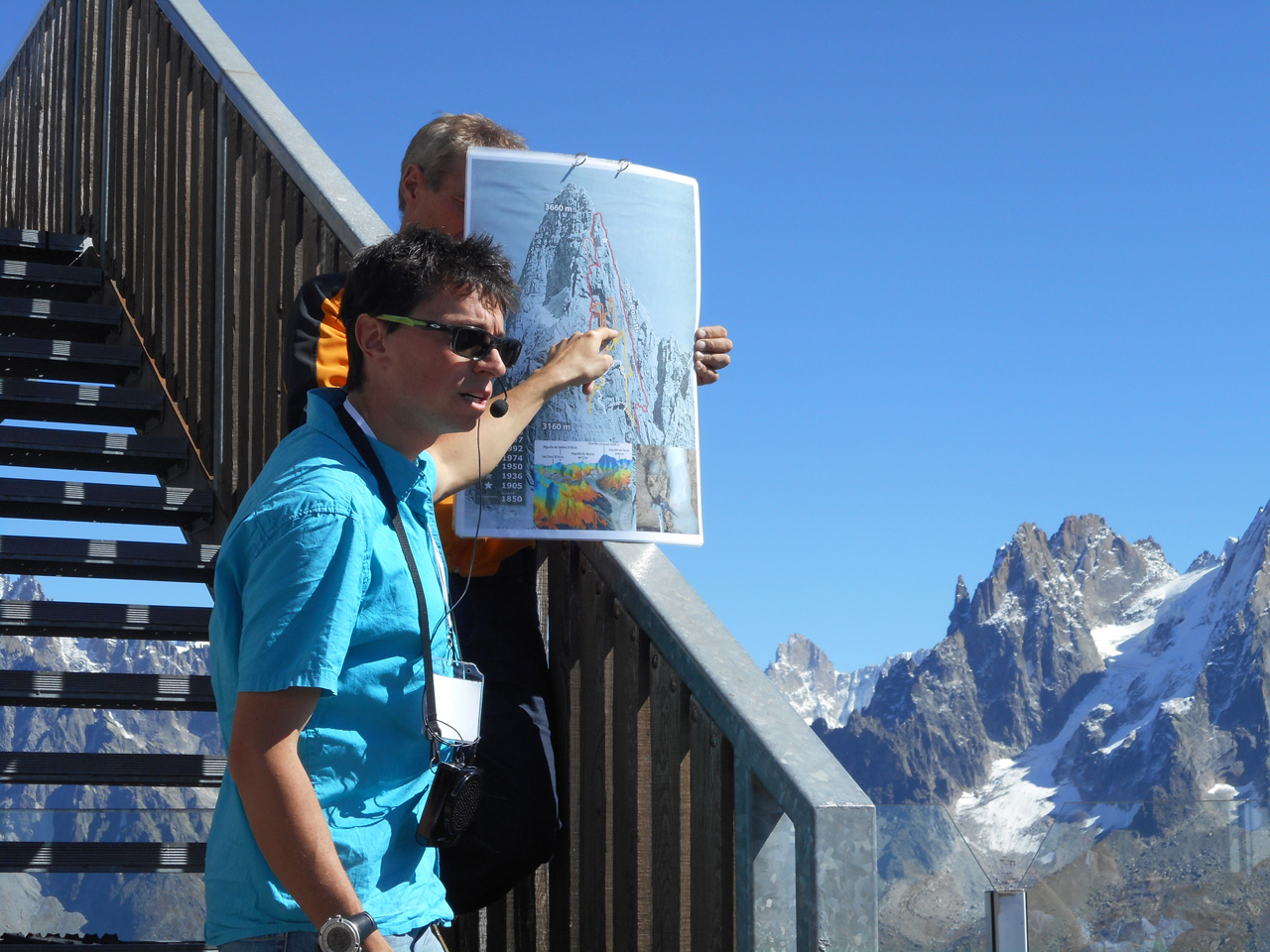
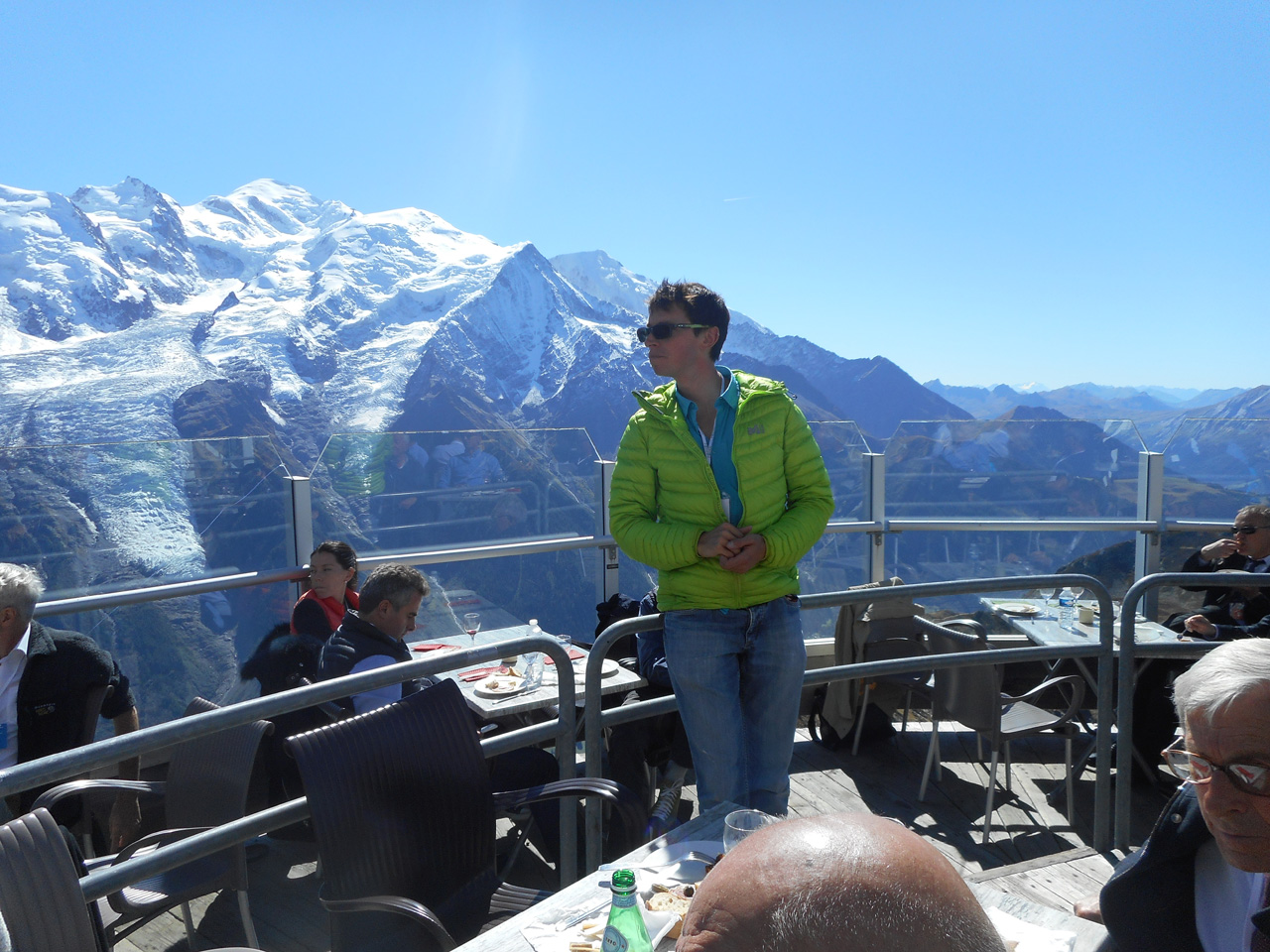
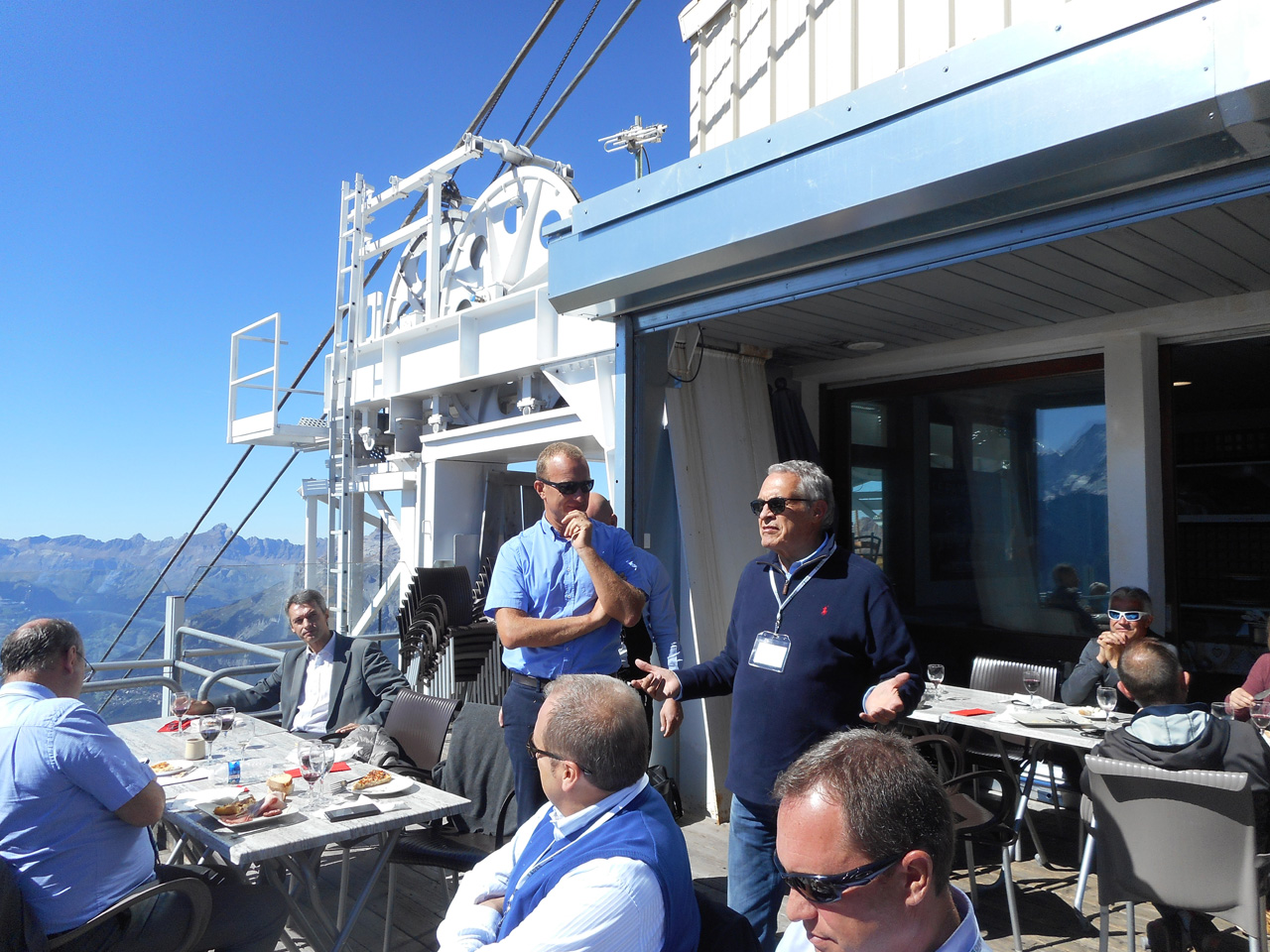
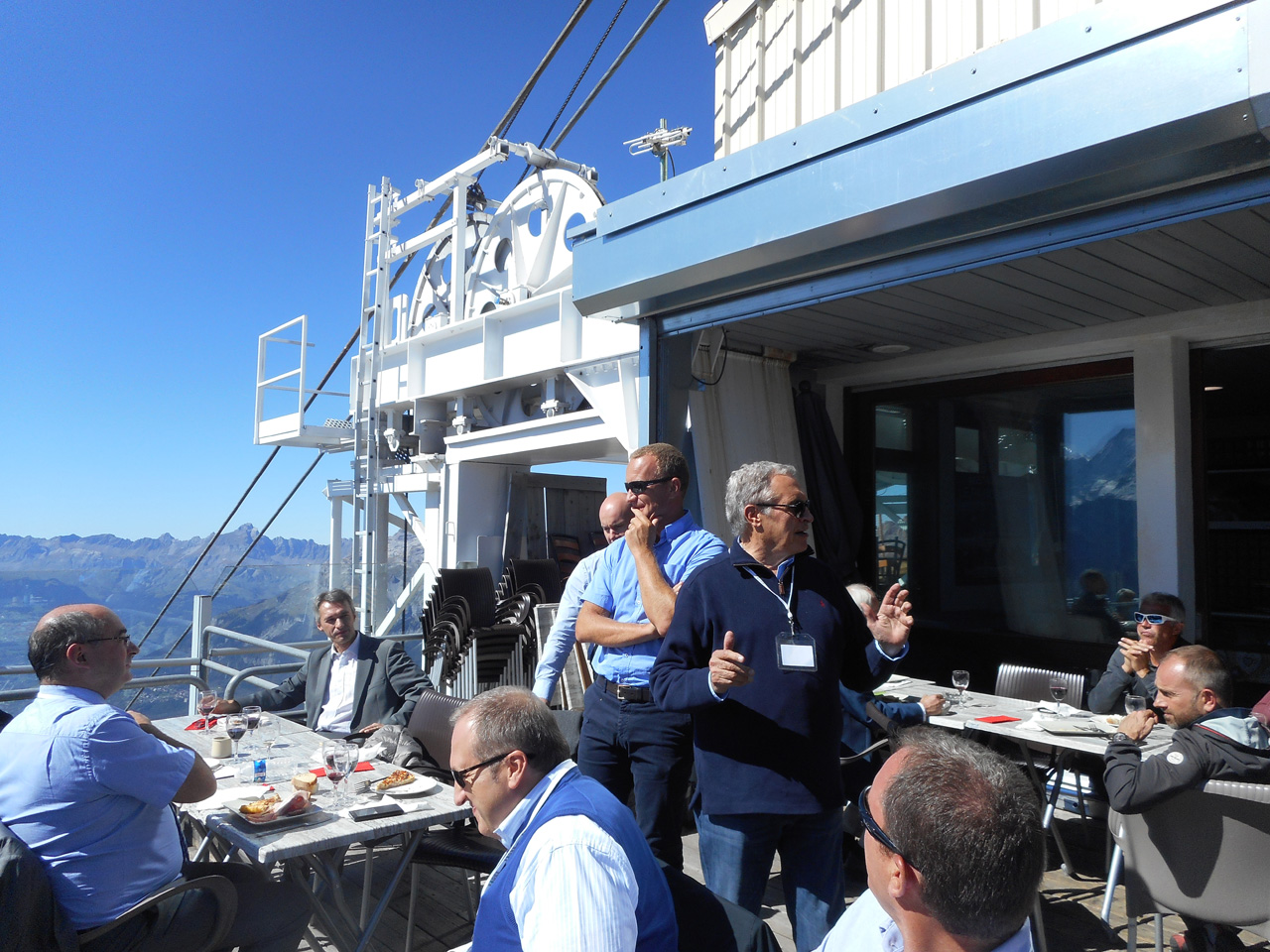
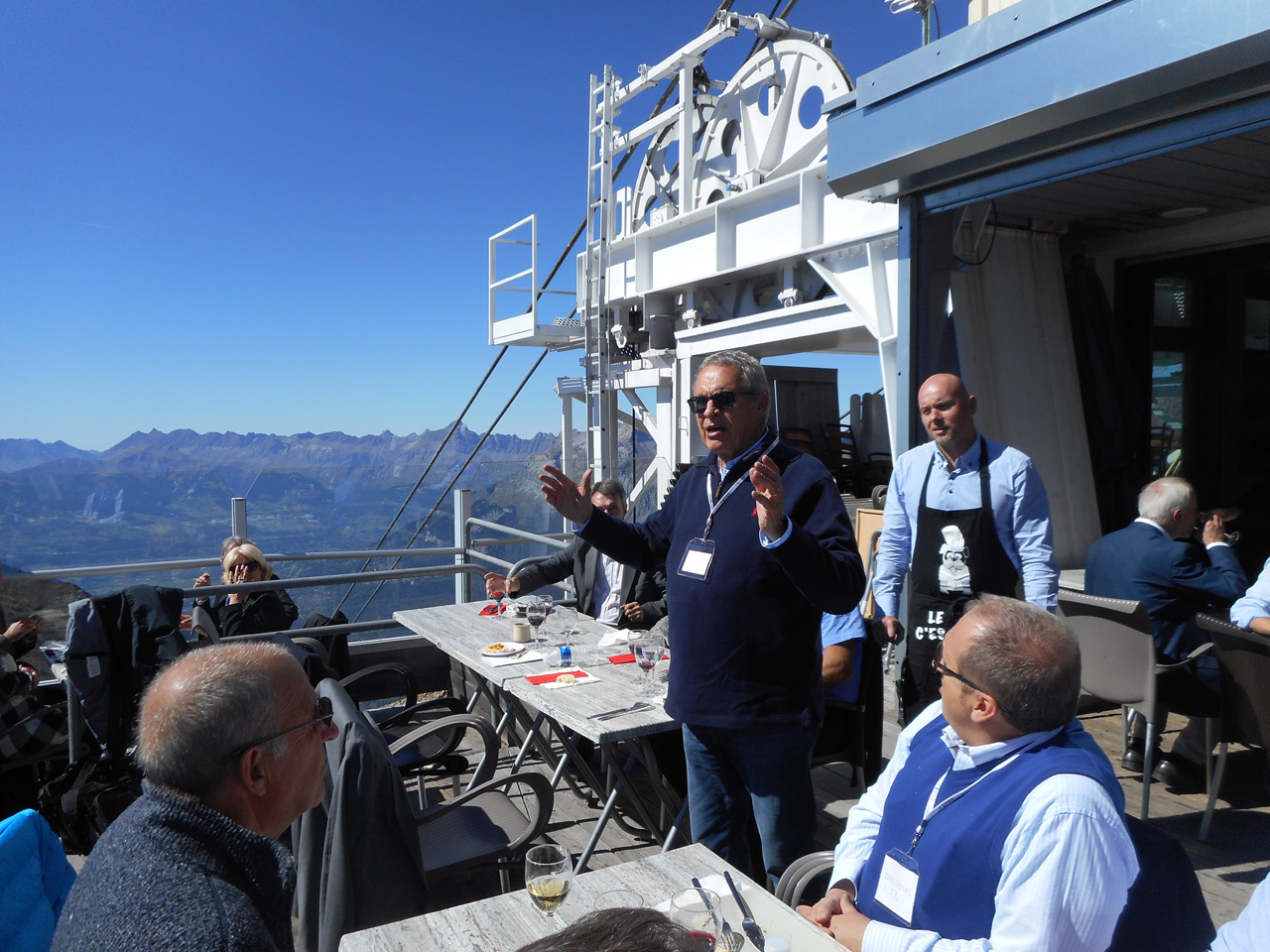
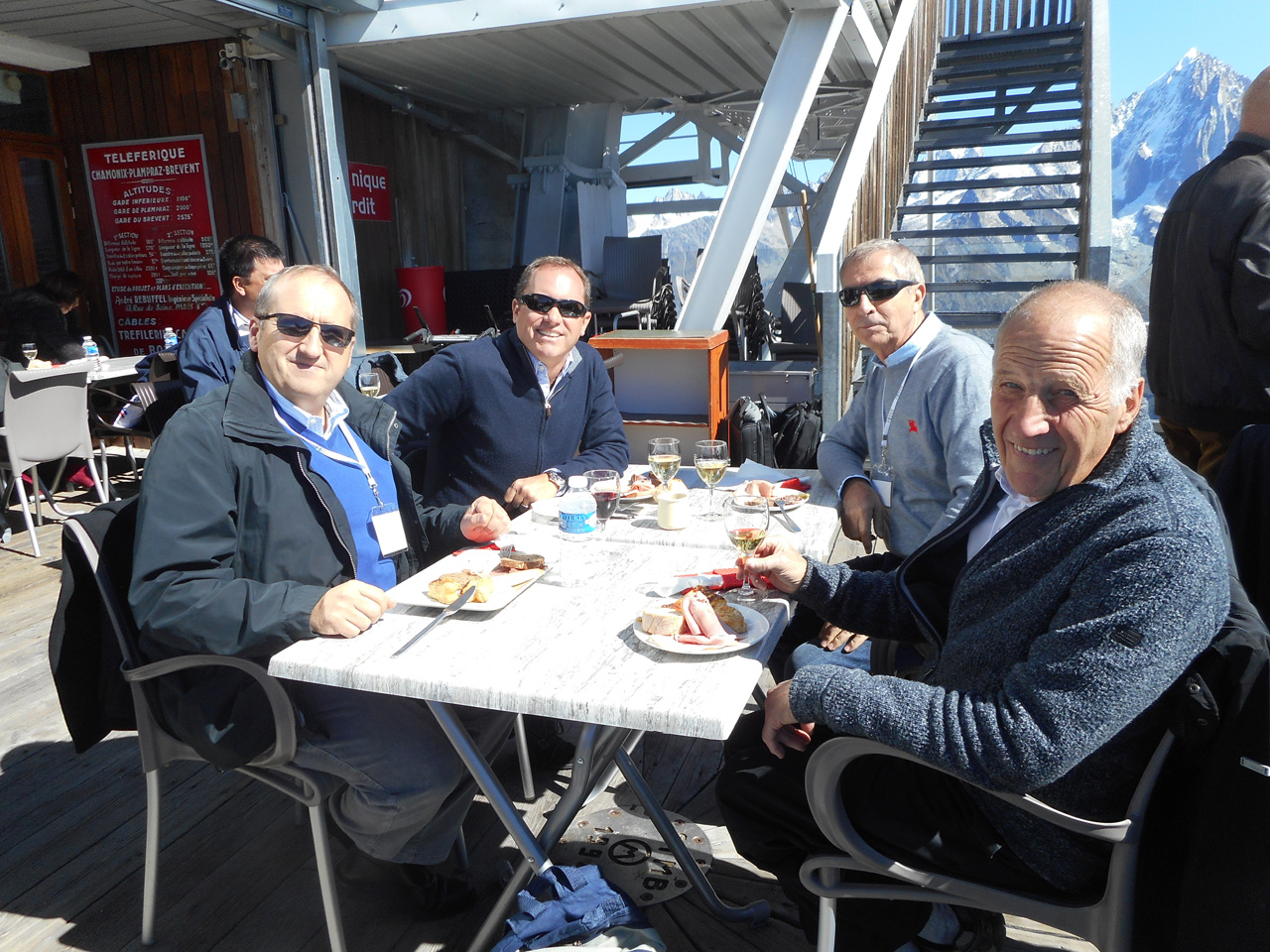
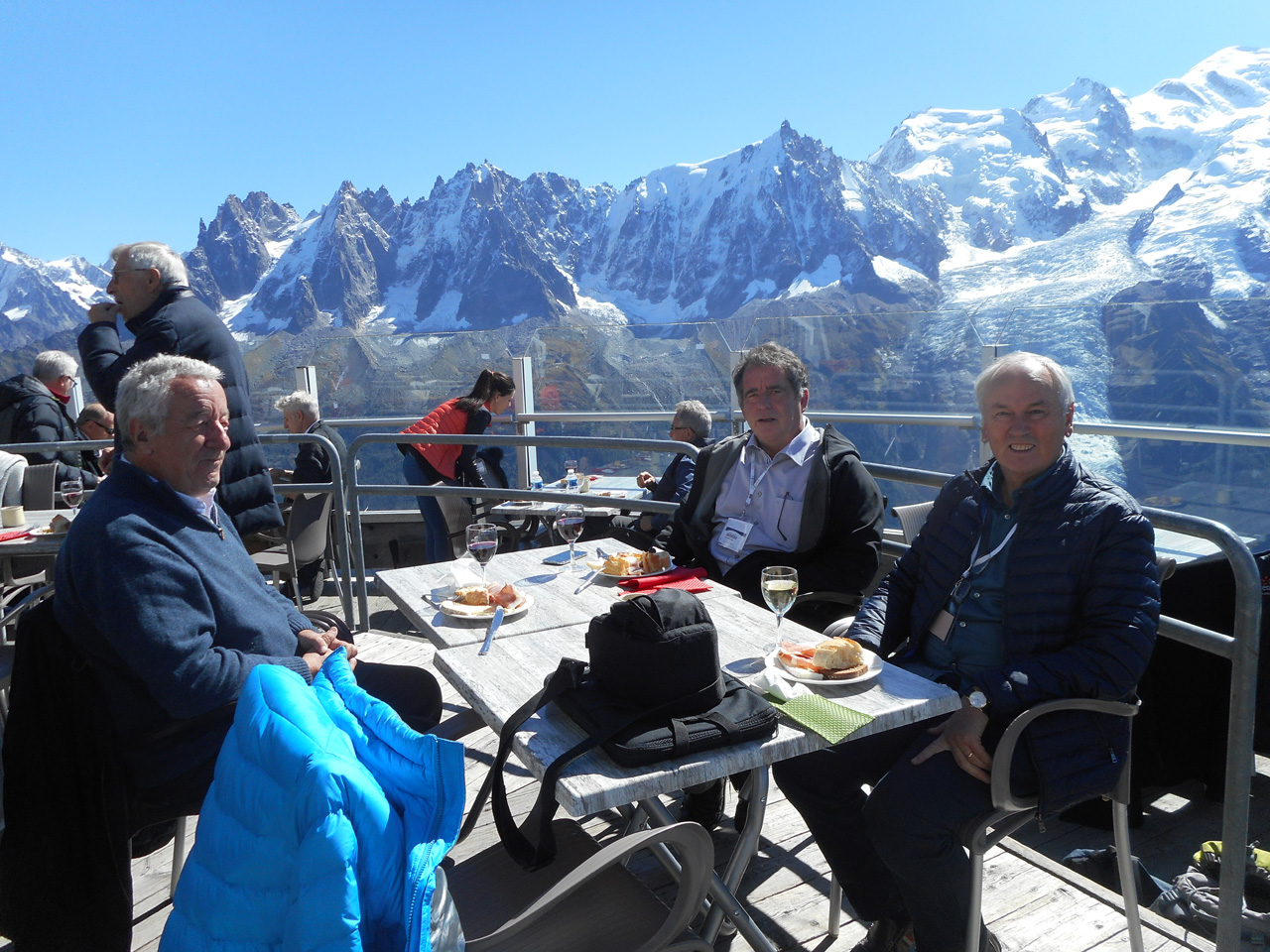
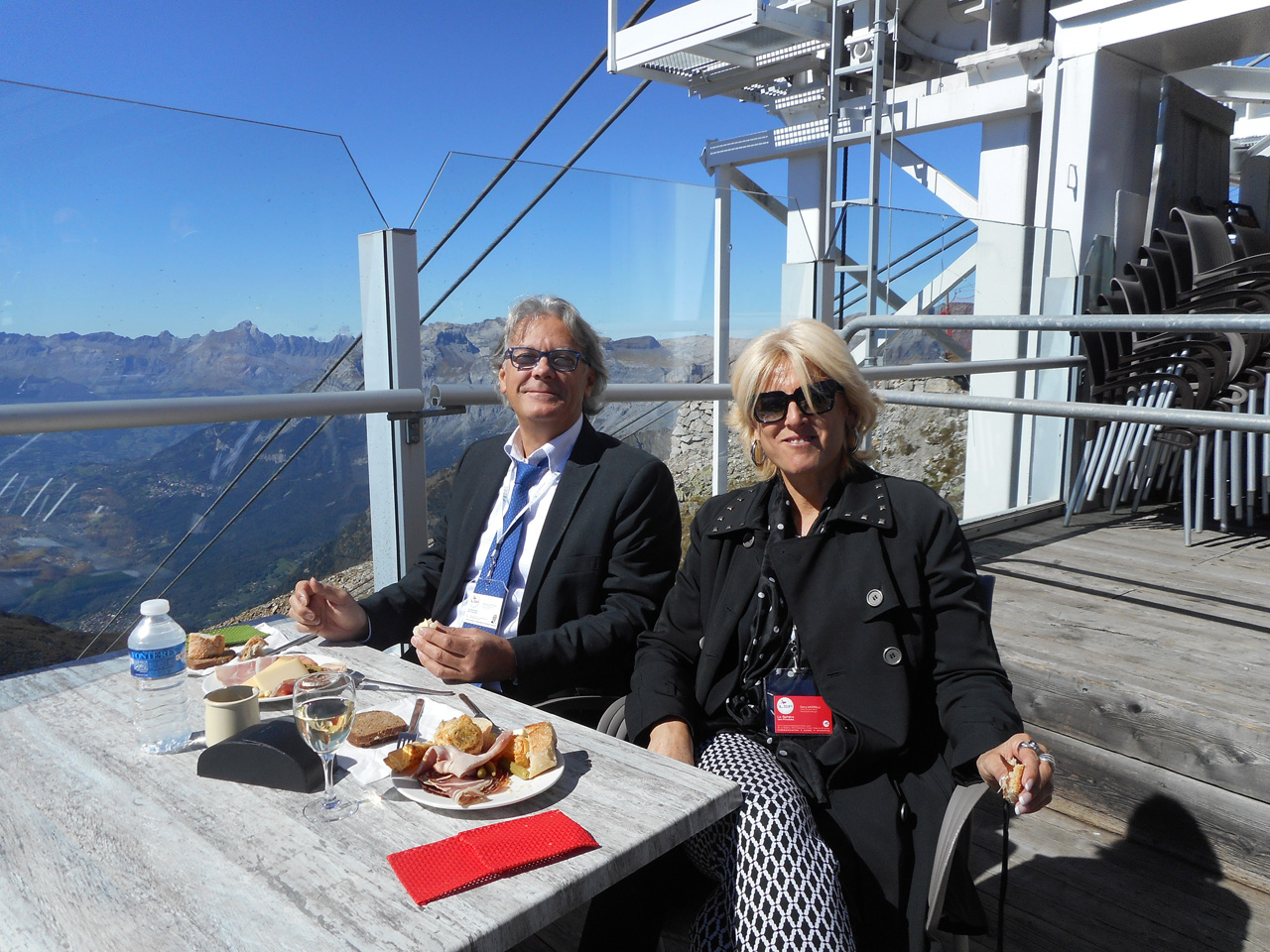
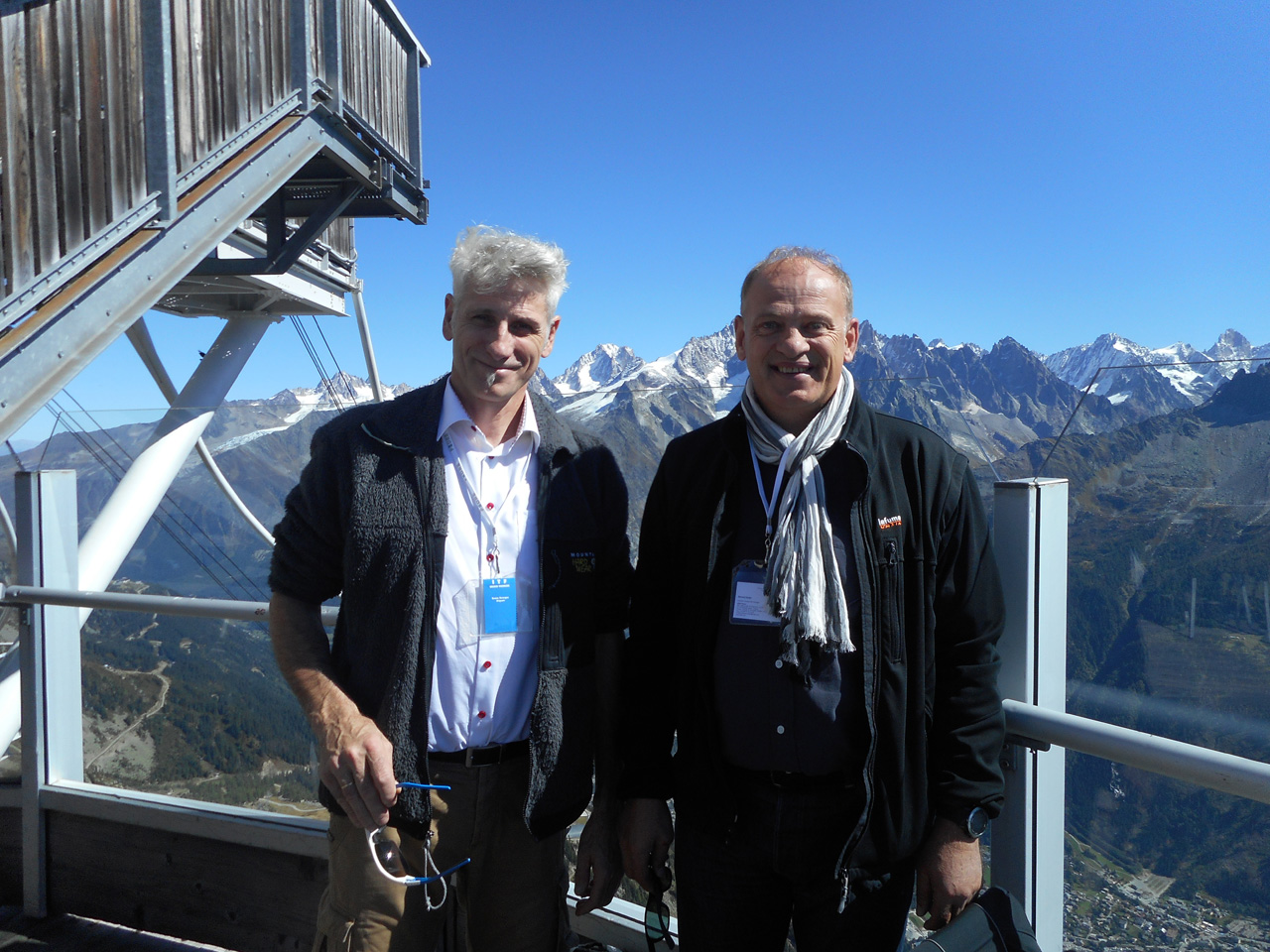
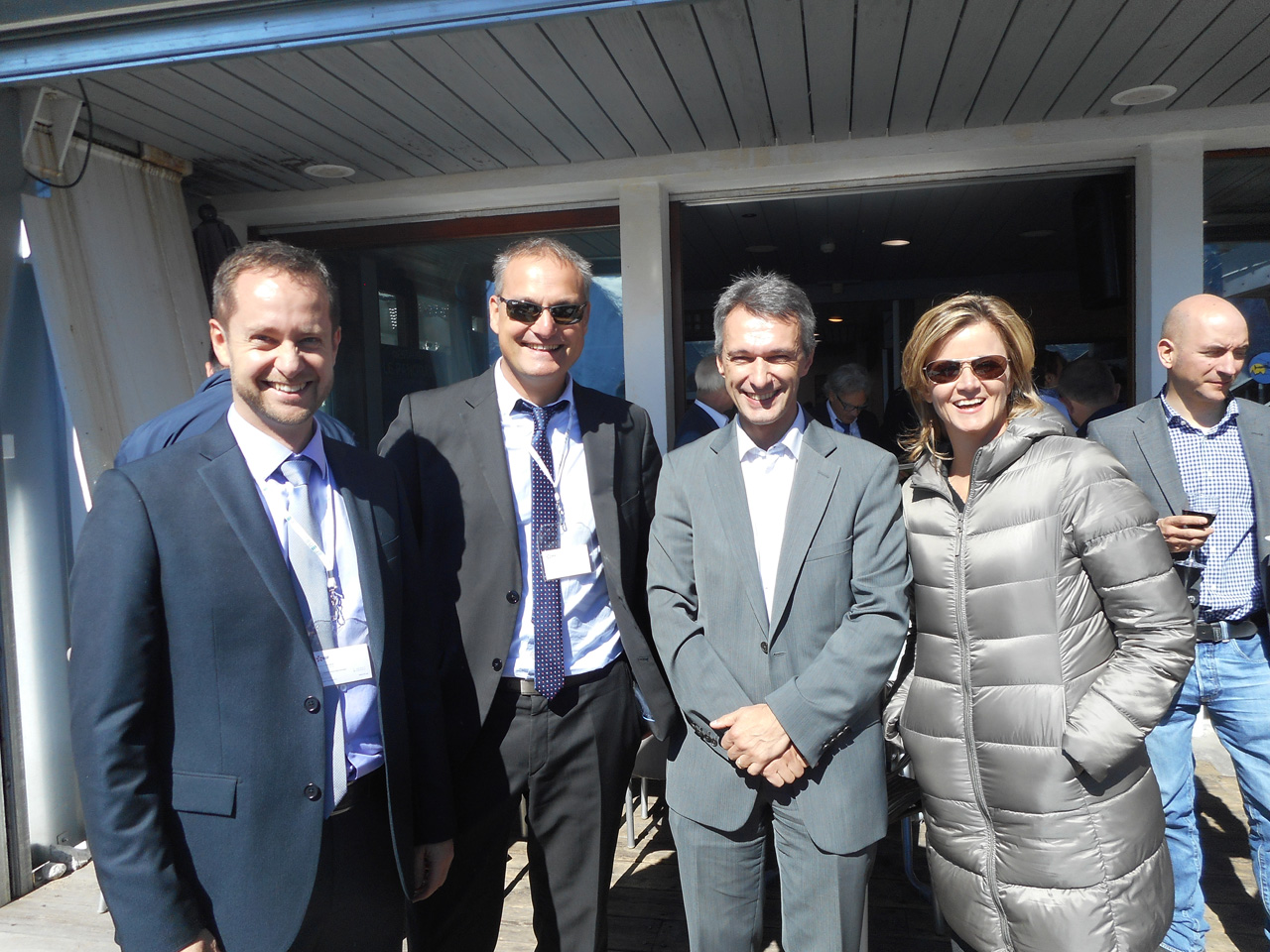
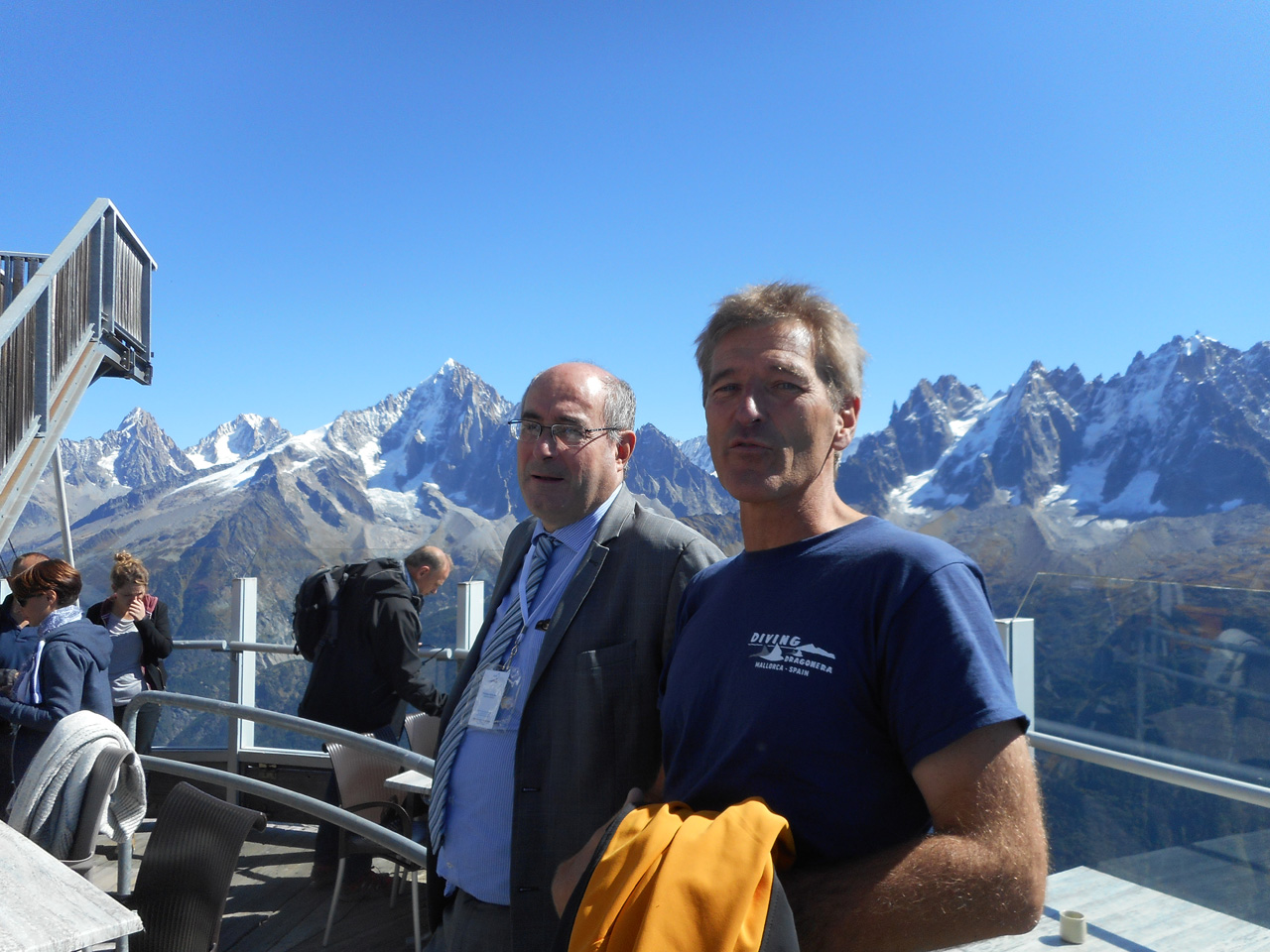
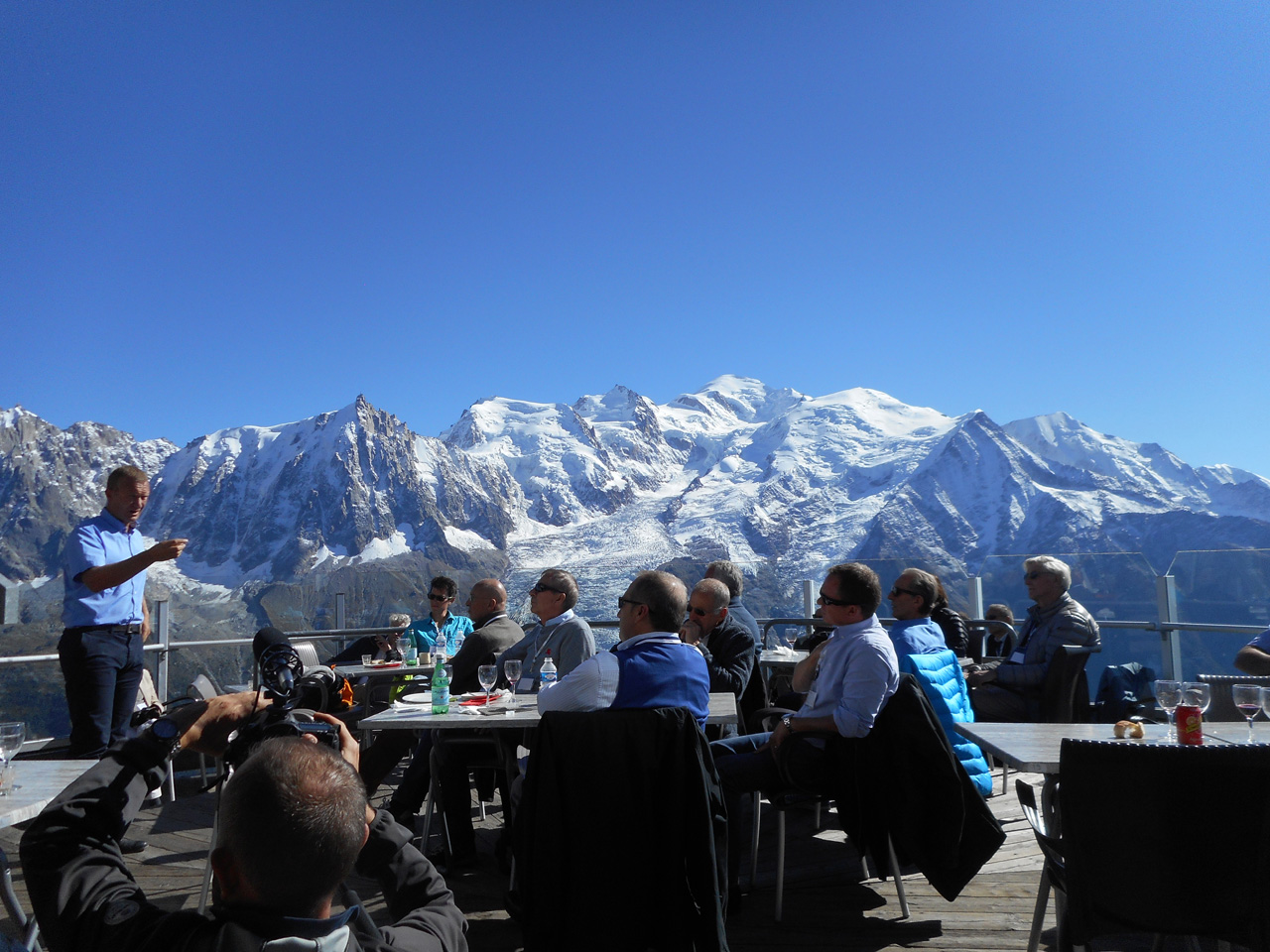
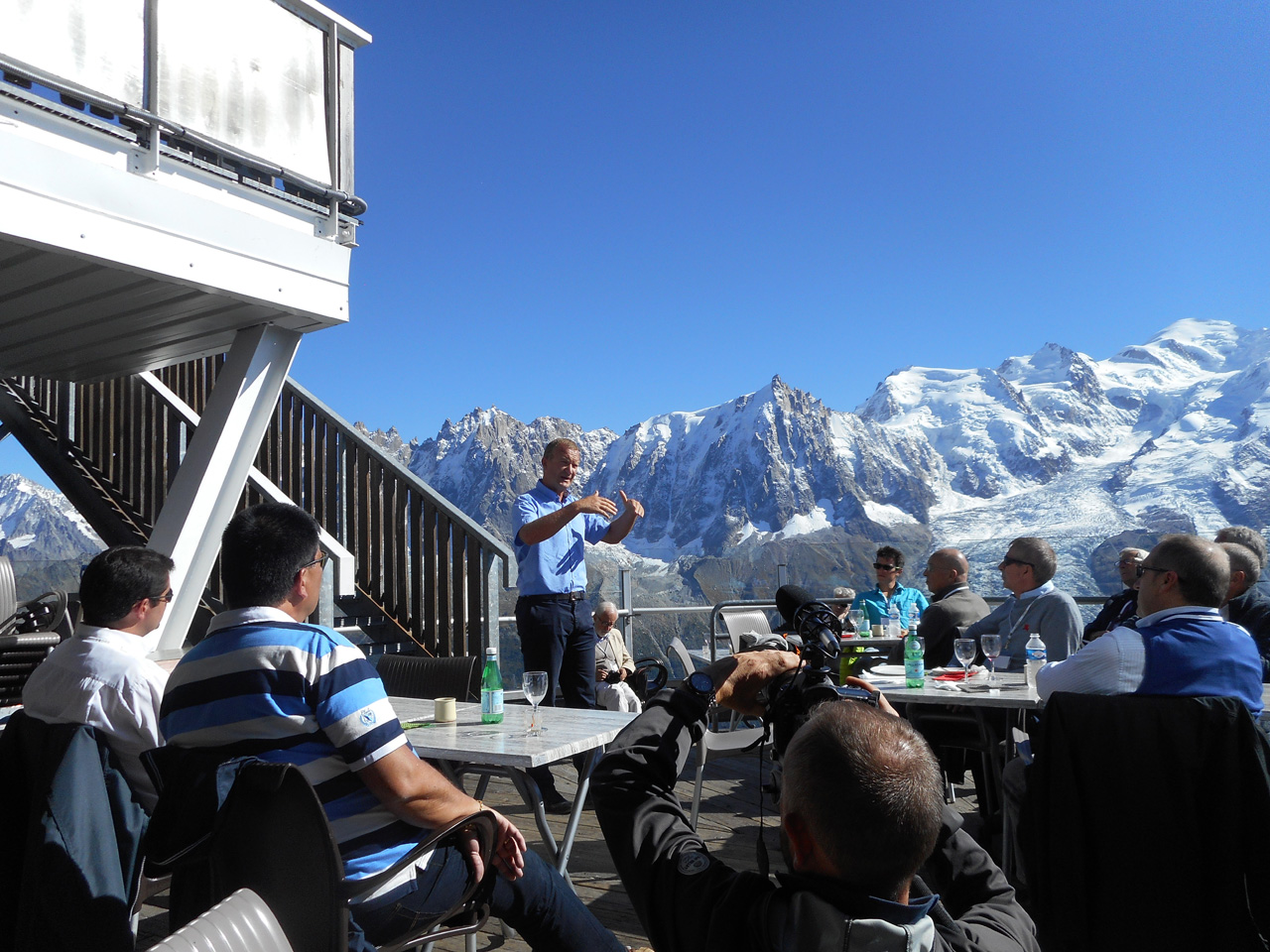
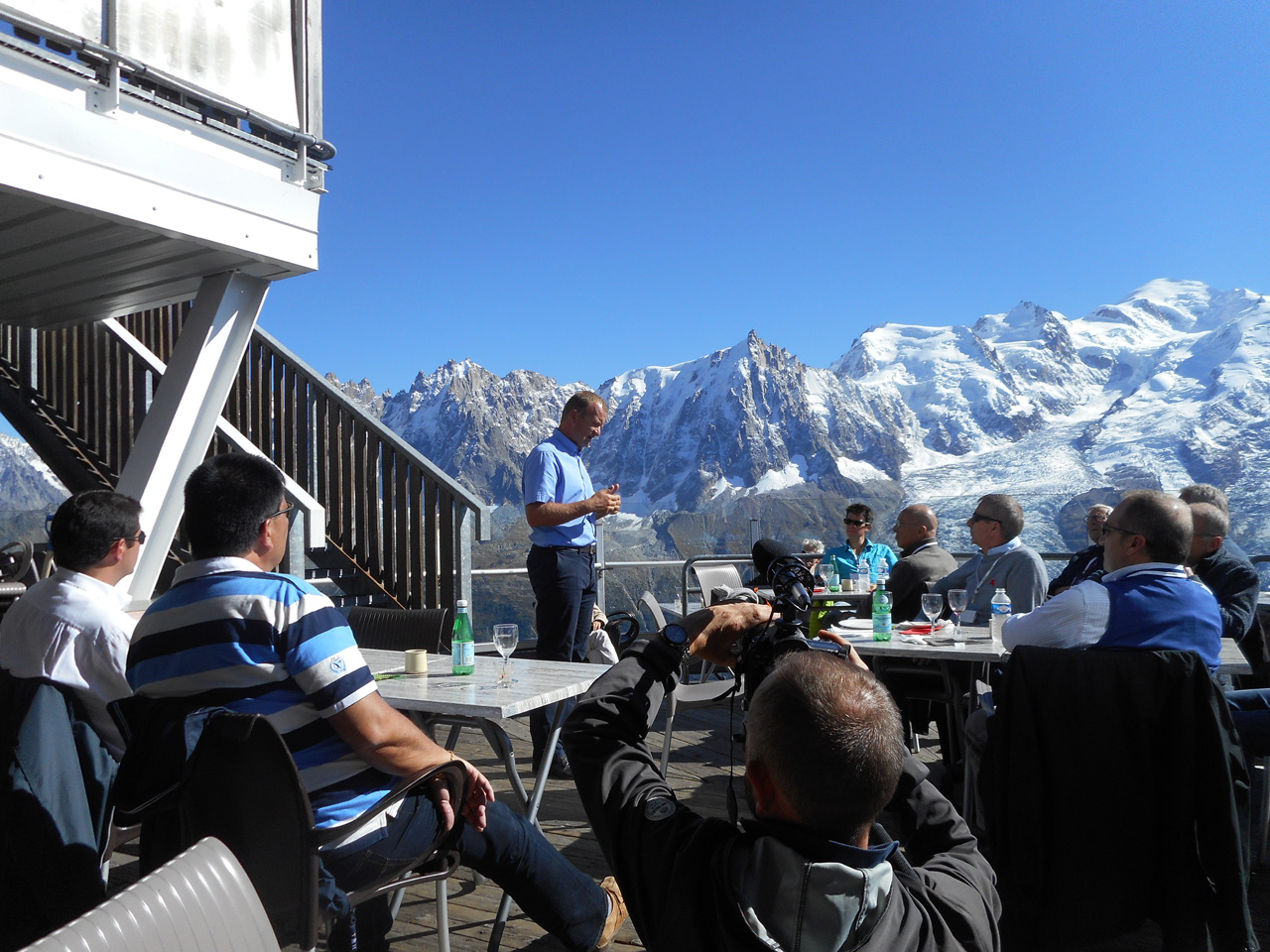
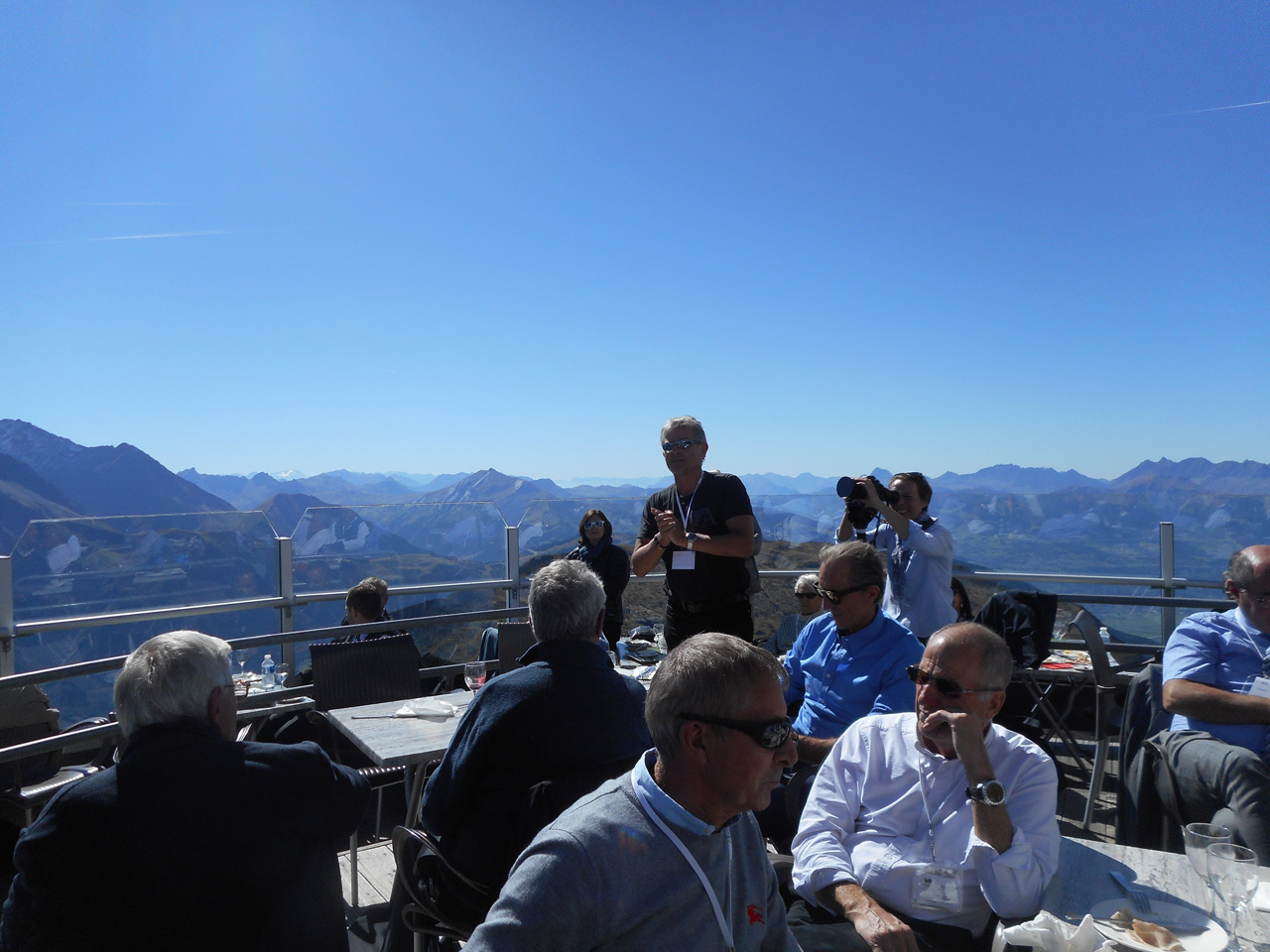
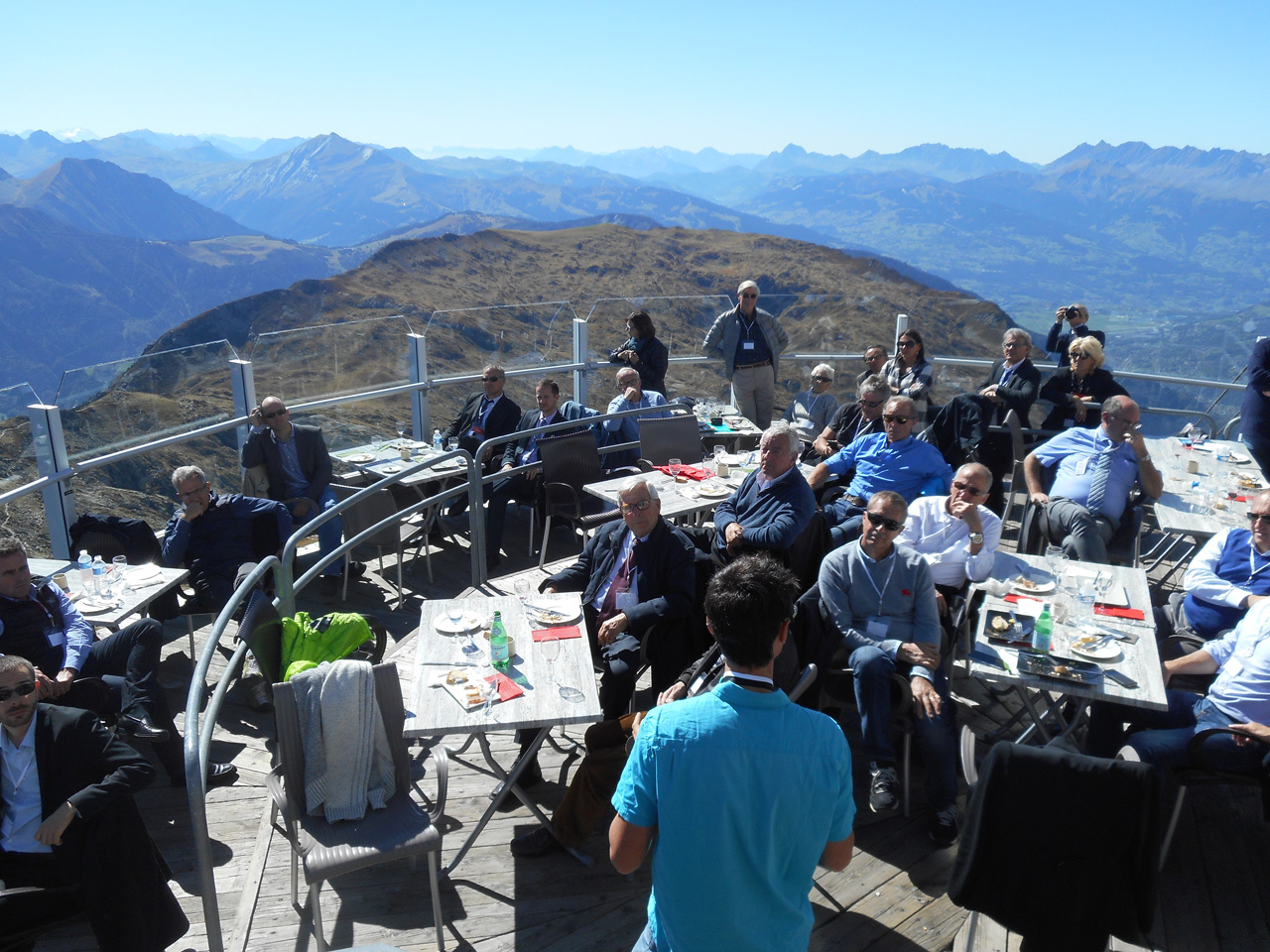
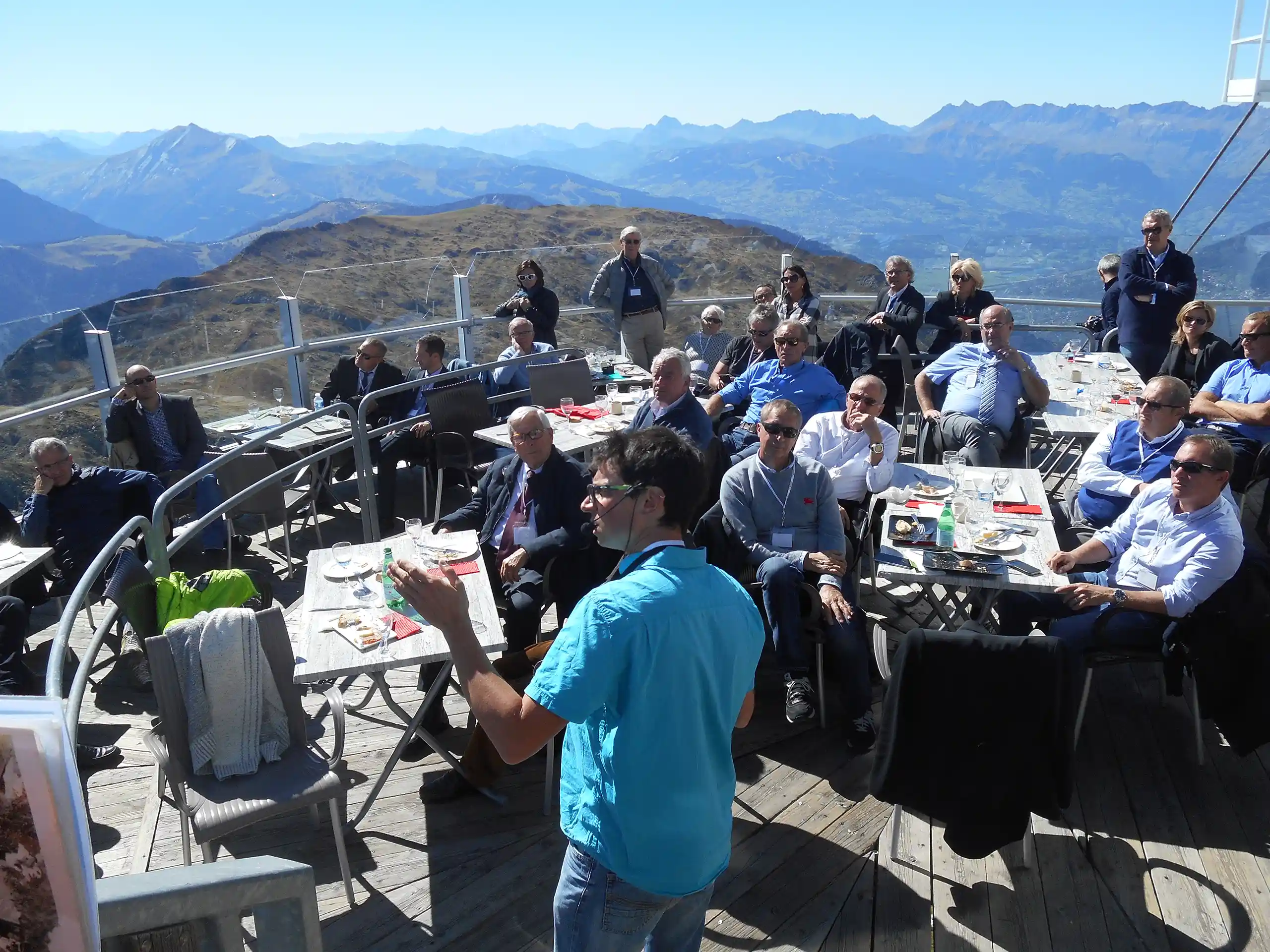
At an altitude of 2,500 meters, at the summit of Le Brévent, in the heart of the “Alpine Diamond,” Claude Haegi, patron of the Observatoire Energies d’Entreprises and President of FEDRE, European Foundation for the Sustainable Development of Regions, invited leading experts, engineers, architects, fluid specialists, and glaciologists to discuss these issues on September 21 before a large audience of professionals.
If we want to continue enjoying snow-capped mountains for a long time to come, we urgently need to reduce greenhouse gas emissions. One way to achieve this is by building homes, villas, businesses, theaters, and other structures that consume less electricity and fossil fuels—and emit lessCO2. It is possible. The technologies exist and are equally suited to structures in extreme environments, such as the new Refuge du Goûter at 3,835 meters, as well as to more common buildings located in the lowlands.
Heatwave in the high mountains
“The high-mountain environment is particularly sensitive to climate change,” says geomorphologist Ludovic Ravanel, a research associate at the EDYTEM CNRS laboratory at the University of Savoie. The 2°C rise in global temperatures projected over the next 20 years is already evident in the high mountains. The landscape has changed. “The presence of ice in the cracks of the rocks kept them in place at high altitudes. In recent years, this ice has been melting and the rocks are collapsing, ” notes Ludovic Ravanel. Drilling has revealed that between 3,100 and 3,500 meters, the rocks thaw on the surface every year and erode. The result: the terrain becomes unstable, the pylons shift more and more, and avalanches and landslides are more frequent. This is concerning. Not to mention the eternal snows, which won’t be eternal much longer…
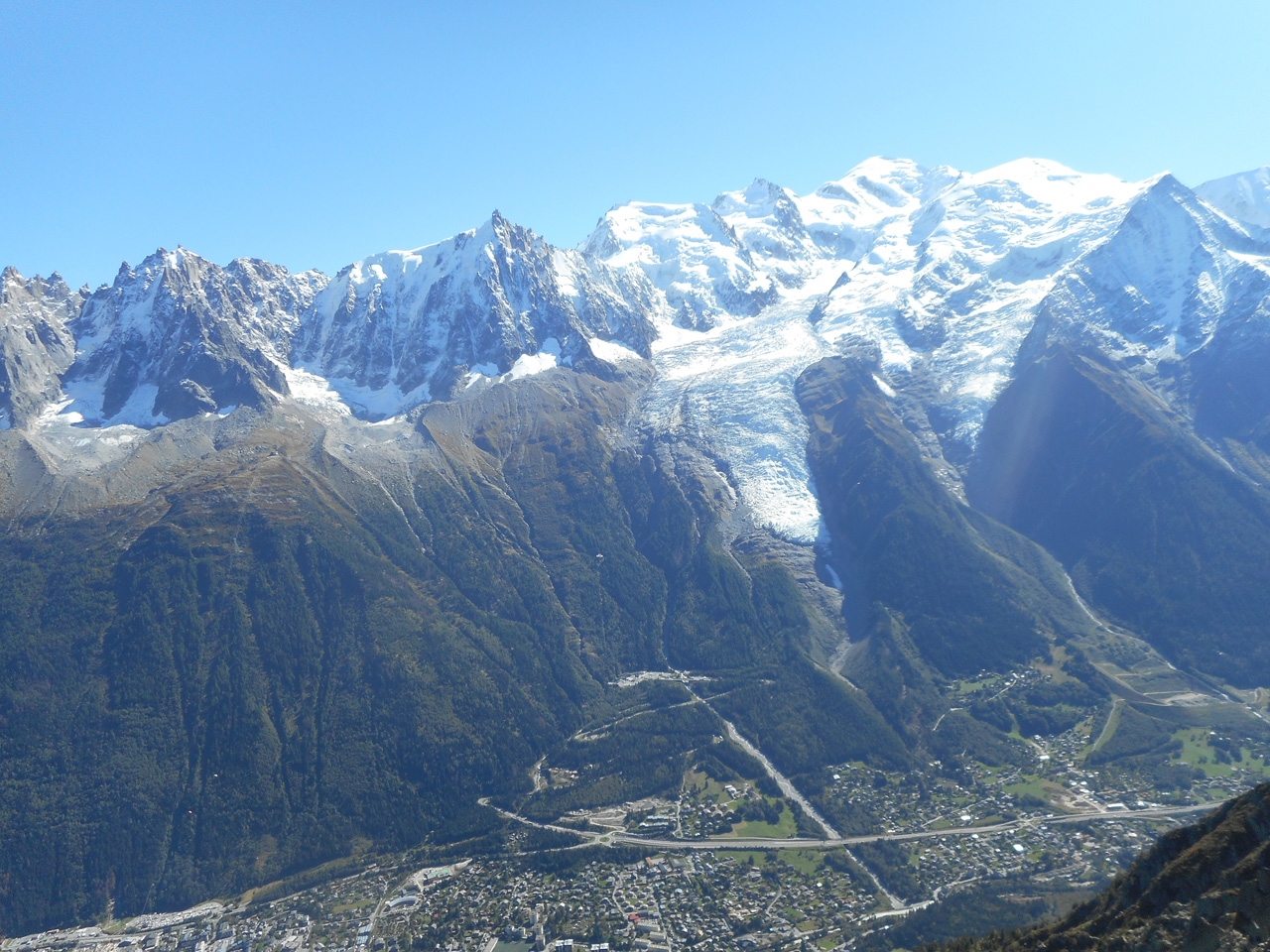
There was a time when Mont Blanc was called “the Cursed Mountain” by the inhabitants of the Chamonix Valley, because after every winter, the tongue of its glacier grew longer and crept closer to the villages. Today, those days are gone. Not only is the roof of Europe shrinking—new measurements have established that Mont Blanc now stands at 4,803 meters, down from 4,810 meters in 2013—but the massif’s glaciers are retreating, having lost 10 meters in thickness since 2003. “Thinner glaciers no longer move as much and no longer carry away debris from the mountain,” explains Luc Moreau, a glaciologist and research fellow at the EDYTEM CNRS laboratory at the University of Savoie. As a result, their terminal sections mix with the debris and turn black. The era of beautiful white glaciers is coming to an end.
Collecting water from beneath the glacier has become difficult
Since the 1960s, EDF has been using meltwater from beneath the Mer de Glace. The principle is simple: it involves collecting the water that flows beneath the Mont Blanc glacier and channeling it to a hydroelectric power plant that generates 115 million kWh annually—enough to meet the domestic energy needs of 50,000 residents. “Instead of having a visible dam, we have a hole beneath the glacier with no environmental impact,” explains François-Régis Chevreau, head of the Alps Production Unit at EDF. But the glacier’s retreat has accelerated, threatening the subglacial water intake. In 2008, work began on excavating a diversion tunnel to reroute the intake upstream of the glacier, beneath 100 meters of ice, under difficult conditions related to access and glaciology. Between 2008 and 2011, a temporary solution was implemented, involving the drilling of a tunnel several dozen meters long that emerged beneath the glacier. In the spring of 2011, a new facility—which allows France to save more than 100,000 tons ofCO2 compared to a coal-fired power plant—was inaugurated. “In total, we’ve moved more than a kilometer above the original intake, ” notes François-Régis Chevreau. However, the retreat of the glacier suggests that we will likely have to move even higher in the not-too-distant future.
the good example set by the Compagnie du Mont-Blanc
The Mont Blanc ski area attracts thousands of skiers and mountaineers every year. “To ensure it continues to inspire with its snow-capped peaks and crisp mountain air, the Compagnie du Mont-Blanc, which operates the area, must lead by example, ” says Mathieu Dechavanne, CEO of the Compagnie du Mont-Blanc. Numerous initiatives are underway to reduceCO2 emissions: the development of electric public transportation in Chamonix, fewer ski lifts in the ski area, but better located ones. Another measure involves engaging ski area professionals, particularly snow groomers, in discussions about environmental protection. In short, the Compagnie du Mont-Blanc has no shortage of ideas to benefit the environment: other examples include mountain cleanup efforts (400 tons of waste collected annually, 250 tons of scrap metal recovered) and raising awareness among younger generations about landscape preservation, which involves protecting local flora and fauna.
A net-zero-energy mountain retreat
The ascent of Mont Blanc attracts thousands of climbers every year. Until 2013, many stopped at 3,817 meters at the old Refuge du Goûter, which was heated, used a coal stove for cooking, and discharged its wastewater into the mountain. Since 2013, they can stop at the new Refuge du Goûter, located 200 meters further south at 3,835 meters, which, with its 250 m² of solar panels, its ability to use snow for its water needs, its capacity to recycle heat, and its wastewater treatment system, stands as a magnificent example of a BEPOS. “The refuge’s characteristics, due to its altitude (outside temperatures that can drop to –30°C, wind gusts that can exceed 300 km/h, absence of liquid water, 40% less atmospheric pressure, and 40% less oxygen compared to sea level), required the implementation of solutions, several of which are world firsts, ” notes Pierre Stremsdoerfer, fluids and energy engineer at the Refuge du Goûter.
The time has come for net-zero energy buildings
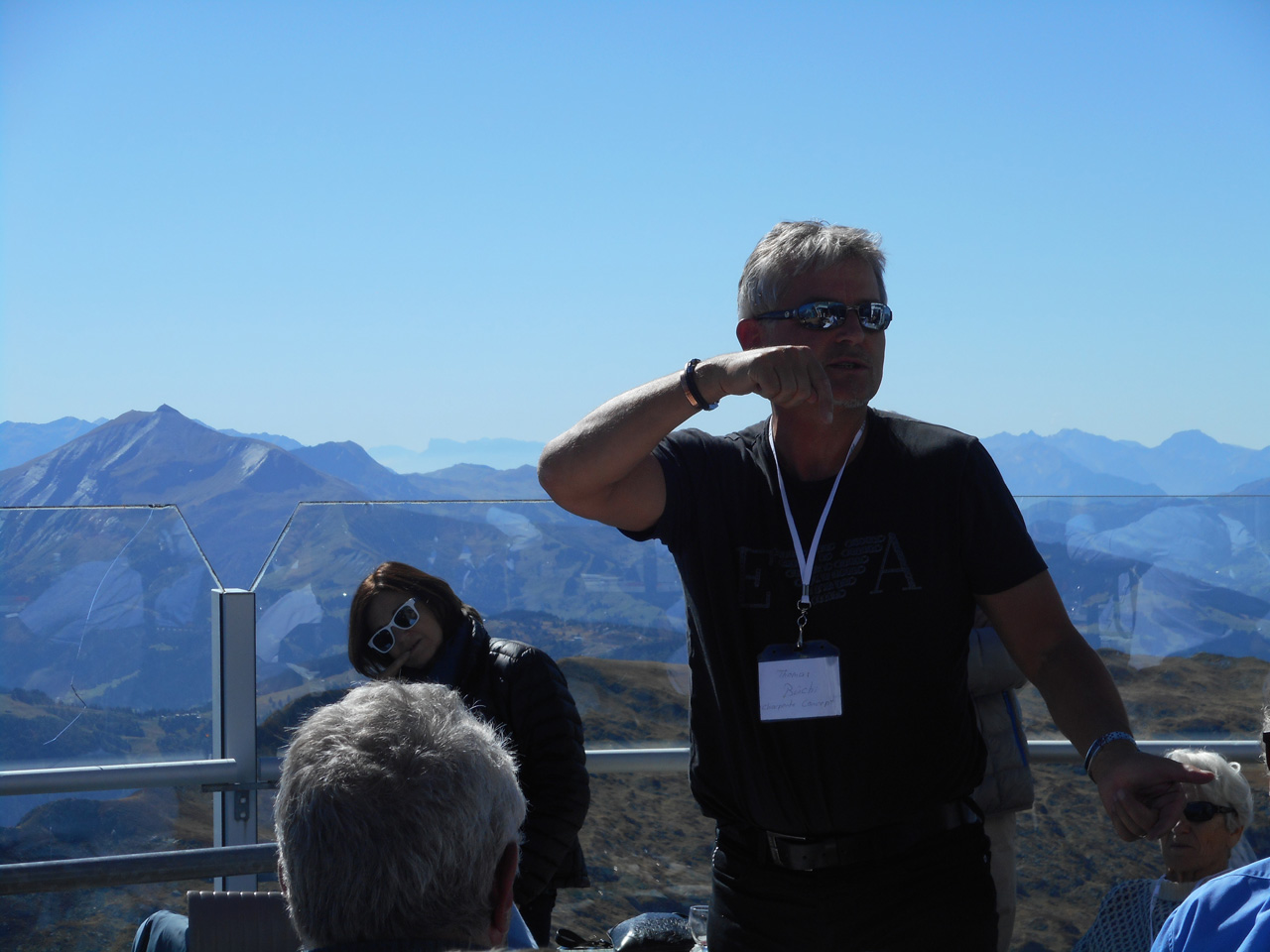
However, in the lowlands, Bepos remain rare. How can we change this situation? By “thinking globally but acting locally, ” as suggested by Thomas Büchi, designer of the Refuge du Goûter and a wood engineer. That is to say, by examining a project in its entirety—includingCO2 emissions—and by considering how to build it using locally sourced materials, such as native wood. Because for the same load-bearing capacity, it consumes 10 times less embodied energy than concrete or steel. And, of course, by focusing on building envelopes (facades, windows, and walls) with high-performance insulation ratings, such as active wood/glass facades just 25 cm thick. Today, villas, apartment buildings, theaters, opera houses, and, of course, industrial buildings can be designed—or even converted—into Bepos.
The boom in active facades
Given that we need only 12% of the energy the sun provides to live comfortably—and even to charge an electric car—building energy-positive structures that capture and store solar energy to become energy-independent seems like a no-brainer. Especially since there are clever technologies for capturing solar energy: dynamic facades that use solar radiation to limit heat loss and supply energy to the building. Swiss architect Giuseppe Fent, who has been passionate about BEPOs since the 1990s, has invented three types:
- The Lucido façade, featuring glass on the front and wooden slats on the back, absorbs heat and helps it accumulate in specially designed materials,
- The Lucido+ facade, made of glass equipped with photovoltaic sensors,
- The Solino facade, with its sophisticated mechanism.
“We channel the heat that passes behind the glass into a hot-air collector to produce hot water,” explains Giuseppe Fent. Technological solutions are available. What remains is to change construction practices.
Bepos, yes, but only occasionally
For Maxime Bousseaud, Business Developer for Smart Grids & Smart Cities at ABB France (a global leader in energy and automation technologies), a BEPOS building does not necessarily have to be one that consumes no energy or produces noCO2. “Because such a building is expensive to construct, ” he notes. “We can also view a BEPOS as a building that consumes little energy and produces littleCO2. There’s a balance to be found.” To achieve this, all that’s needed is to connect the building to new technologies, particularly smart grids. This allows for a correlation to be established between usage patterns, energy needs, and available resources. Thus, a building can be connected to the power grid on certain days and disconnected from the grid to be connected to solar power on other days. But for this alternation to be possible, residents and users must be educated about energy conservation and be aware of their energy consumption. To be continued…