In reality, although one might think otherwise at first glance, there aren’t many concrete examples that fit this definition perfectly.
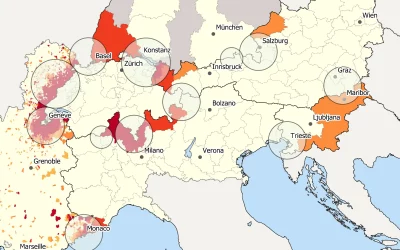
Located along the French-Geneva border is the Archamps technology hub, now known as Archparc. Established in 1989, it was conceived as a distinctly cross-border initiative. However, despite its highly advantageous location, this ambition has not been fully realized. In the digital sector, the Izarbel hub in Bidart in the French Basque Country is worth mentioning, but its activities are not primarily focused on cross-border relations with the Spanish Basque Country.
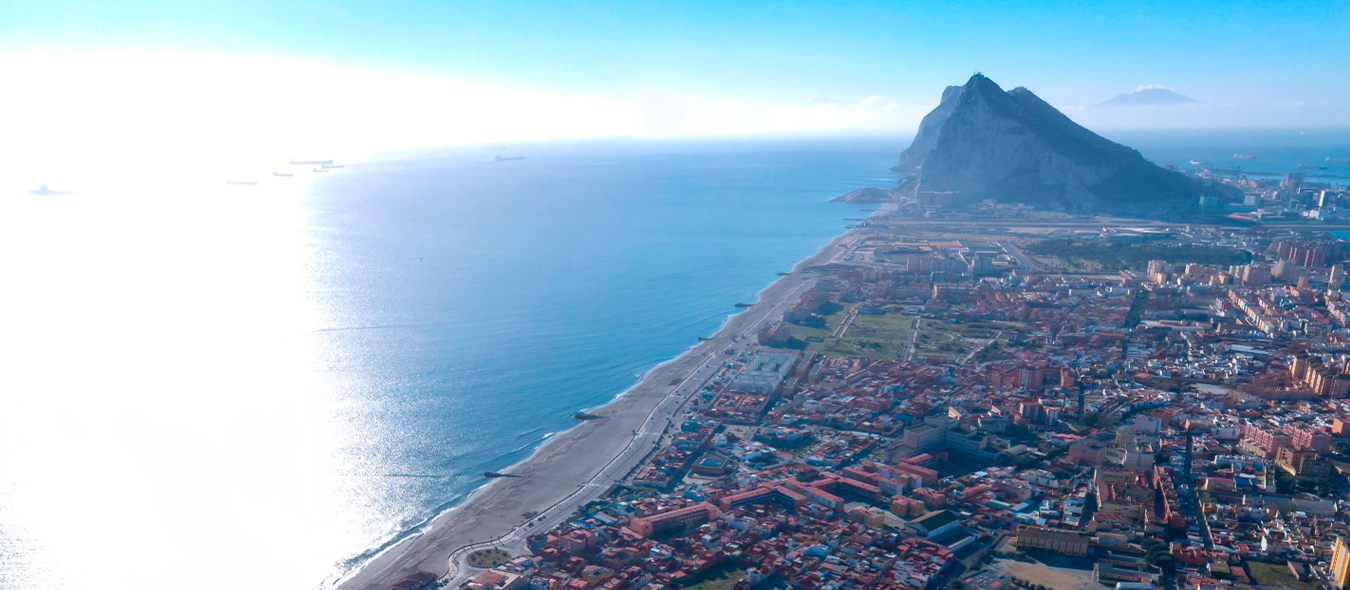
Today, the most promising initiative that fits the definition of a forward-looking cross-border technology hub is the “Quantum Corridor ” (Quantum Corridor) created between La Línea de la Concepción and Gibraltar, linking in particular the port of Algeciras and the Andalusian Technology Park in Málaga in the field of the Fourth Industrial Revolution, with strong connections to Murcia, Aix-en-Provence… and Geneva!

How can a cross-border region be transformed into a model of technological innovation?
How can a historically disputed and economically disadvantaged border region be transformed into a model of cross-border innovation and sustainable development?
TheLa Línea–GibraltarCenter for theFourthIndustrial Revolution (LLG4IR) was conceived as a pioneering initiative. It is based on the cross-border development of Fourth Industrial Revolution technologies, such as artificial intelligence (AI), blockchain, quantum computing, the Internet of Things (IoT), space technologies (transmit-receive satellites), and cybersecurity.
The Center aims to reposition this region as a hub for technological progress, job creation, and cross-border cooperation rooted in peace. It can serve as a source of inspiration for other cross-border regions in Europe.
For the record…
Gibraltar(6.8km²and 33,000 inhabitants) is a small, prosperous enclave (with favorable tax policies, financial services, and tourism) at the tip of a Spanish peninsula. It has been British since 1704, a fact that Spain has never recognized. Across the border,La Líneais a city of 65,000 residents, built along the “line” of defense against Gibraltar. Its economy is severely hampered by a lack of industry and high unemployment. Between 10,000 and 15,000 residents are cross-border workers who commute to Gibraltar.

A flexible and adaptable framework agreement
Transforming a historically sensitive and underdeveloped border region into a corridor of technological innovation requires political courage, cross-border trust, and technological expertise. This expertise was provided by the Geneva-based company WISeKey, in partnership with the Geneva-based OISTE Foundation, which champions digital ethics in the service of humanity. Together, they proposed to authorities on both sides of the border that they create and develop a joint LLG4IR center dedicated tothe FourthIndustrial Revolution.
A memorandum of understanding was signed in June 2025 between the Governor of Gibraltar, the Mayor ofLa Línea, and WISeKey. It includes three key commitments:
• Infrastructure and skills development, including the creation of a technology campus to train local youth and professionals in AI, blockchain, quantum computing, and cybersecurity.
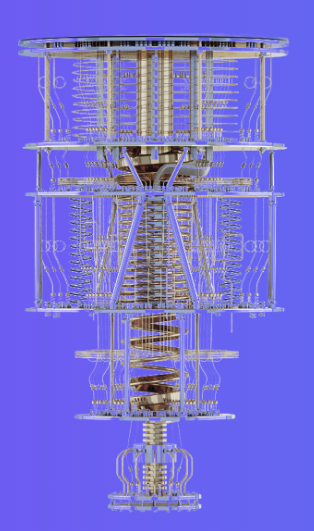
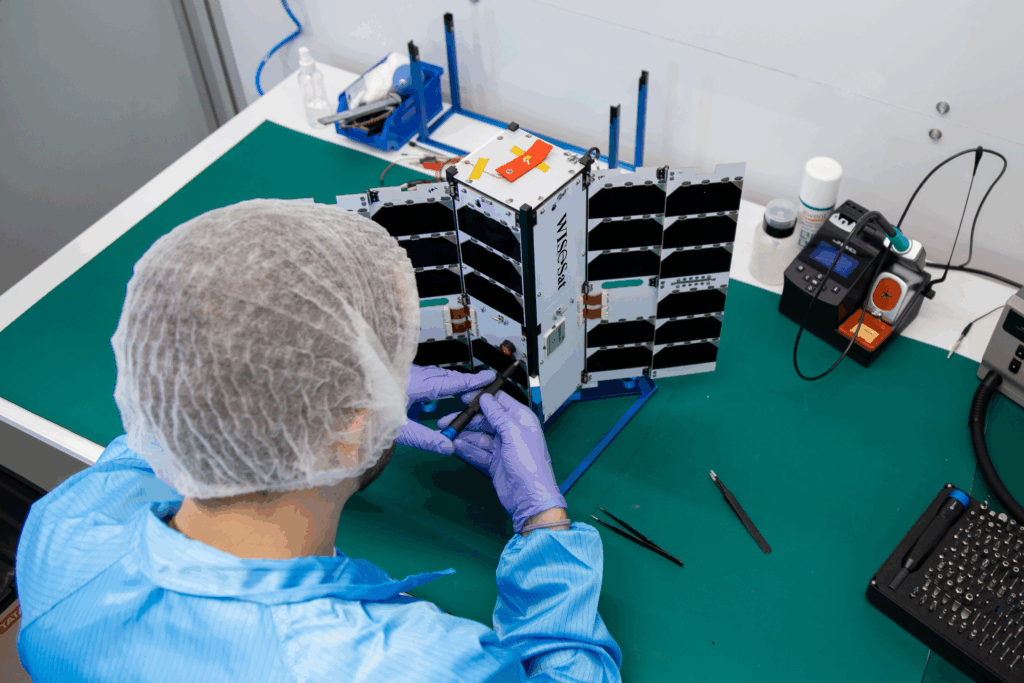
• Technological sovereignty and innovation, including the joint development of platforms for secure communications, satellite services (through WISeSat, a subsidiary of WISeKey), and post-quantum cryptography technologies.
• Cross-border institutional collaboration, featuring a shared governance framework for the center and joint participation in European and international innovation funding programs.
The main objectives of the LLG4IR Center
The LLG4IR Center aims to redefine the border not as a barrier, but as a gateway to the future. It believes that geopolitical complexity can serve as a catalyst for creative solutions, and that even places marked by conflict can now help shape the digital society of tomorrow.
Specifically, the Center has set the following goals:
• Train local talent indeep techdisciplines, offering them certifications and career opportunities;
• Supportstartupsand SMEs in the cross-border region in the fields of AI, cybersecurity, satellite technology, and sustainable manufacturing;
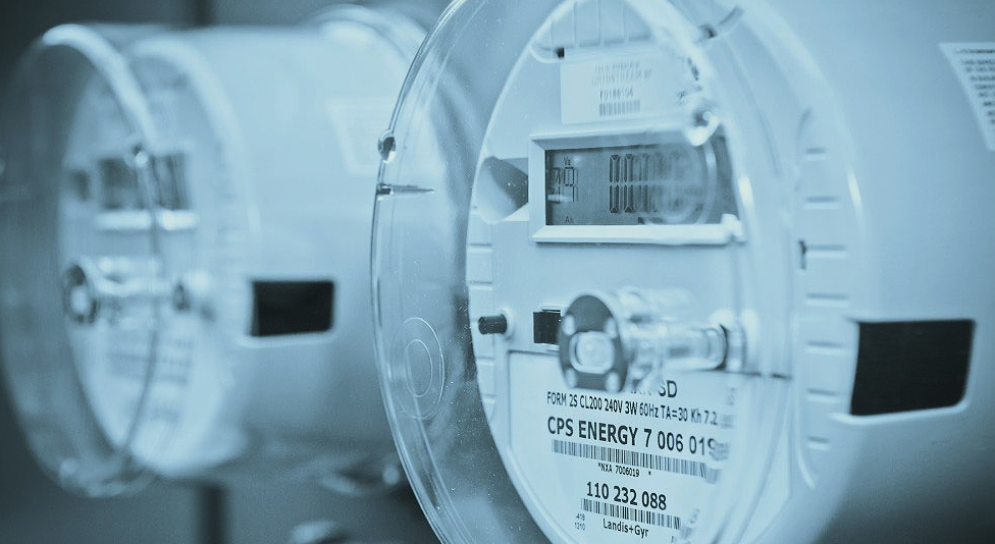
• Host living labs and pilot programs in the areas ofsmart cities, digital identity, and circular economy models;
To serve as a neutral hub for innovation, fostering collaboration among Spanish, Gibraltarian, and international stakeholders, regardless of political status or sovereignty claims.
The Center’s founding philosophy is rooted in global trends: a need for technology, certainly… but technology that is human-centered; a need for resilient cross-border regions; and, finally, a quest for digital economies that are inclusive.
Toward a cross-border “Quantum Corridor” that can be replicated elsewhere in Europe
TheQuantum Corridoris designed to accelerate the development of sovereign, secure, and interoperable technologies by connecting physical and digital infrastructure, research centers, startups, and industry players within a highly coordinated, security-focused innovation ecosystem.
The Quantum Corridor takes root in La Línea de la Concepción, Spain, with the launch of LLG4IR.com (LaLíneaGatewayfor the4thIndustrialRevolution), a public-private initiative transforming border regions into cutting-edge technology corridors. This hub fosters cross-border collaboration between the Spanish and Gibraltarian technology ecosystems, accelerating innovation in AI, digital identity, and quantum computing hardware.

LLG4IR does more than just revitalize local economies: it offers a replicable model of regional development driven by digital technology.
As the global economy undergoes a rapid and irreversible digital transformation, LLG4IR is responding by creating a secure, innovation-focused corridor that balances digital sovereignty with international cooperation, enabling startups and companies to navigate varying national regulations, test AI and quantum applications under real-world conditions, and benefit from shared research infrastructure and platforms.
LLG4IR transforms the traditional limitations of border regions into a unique advantage: the ability to serve as agile laboratories where harmonized digital standards can be developed and tested collaboratively.
This is a call to rethink borders as laboratories for the future—spaces where innovation, trust, and interoperability can thrive in a digitally connected yet sovereign world.

June 11, 2025: New Perspectives on a Disputed Border
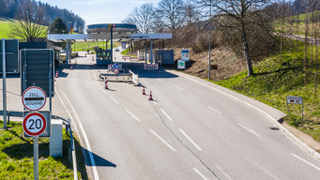
On July 13, 1713, the Kingdom of Spain ceded the Rock of Gibraltar to the British Crown (Treaty of Utrecht). Since then, this border has been regularly contested by Spain. It was even closed in 1968, only to reopen in 1985. Recently,Brexit hascaused a new upheaval, with the implementation of border controls leading to long lines.
But on June 11, 2025, a political agreement was reached between the United Kingdom, the EU, and Gibraltar, following intense negotiations that had been ongoing since October 2021. Its aim is to ensure the free movement of goods and people by land between neighboring Spain and Gibraltar (it should be noted that the 15,000 cross-border workers there account for 50% of the workforce).
Gibraltar is part of the Schengen Area, and residents of the Rock (the“Llanitos,” as they call themselves) will be able to stay there for up to six months per year. At Gibraltar’s port and airport, there will be dual border checks modeled after theEurostar system, with Gibraltar controlling entry into the Schengen Area and the UK handling its own immigration and border controls. It is also clearly stated that the agreement reached “in no way calls into question British sovereignty over Gibraltar.”
According to Fabian Picardo, Chief Minister of Gibraltar: “It is time to turn our backs on the past and usher in an era of cooperation and understanding. Now that an agreement has been reached, it is time to finalize the treaty.” This treaty will set out the details and must be ratified. But we can already say that a new chapter has begun, one that can serve as an example.
On the ground, the post-June 11, 2025 era has already begun

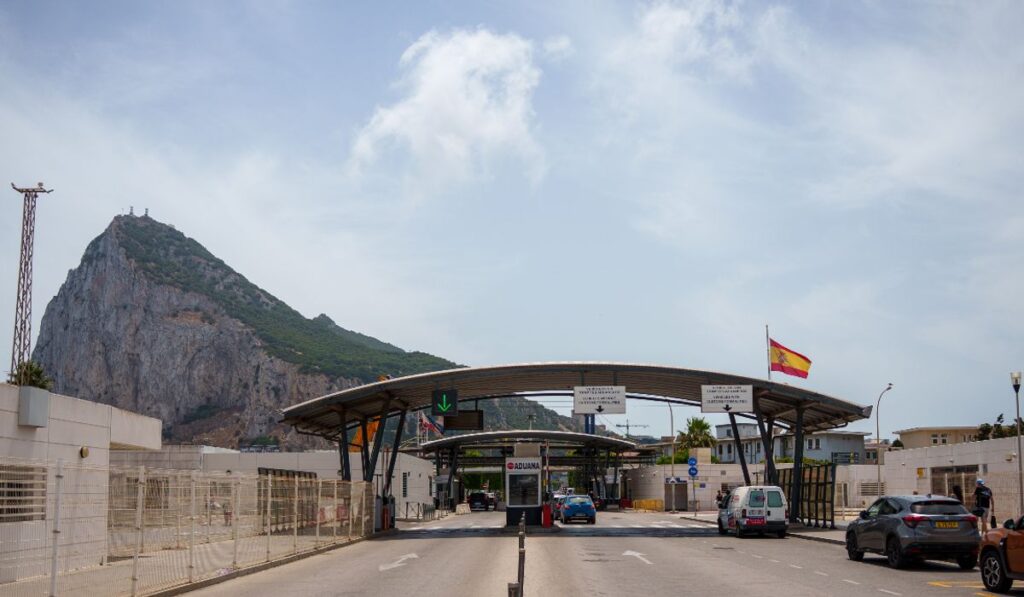
The municipality of La Línea de la Concepción has already expressed interest in acquiring the Spanish customs lands at the Gibraltar crossing, which will remain unused once the barrier is removed. It hopes to incorporate them into the proposed technology center dedicated to satellites and cybersecurity, promoted by WISeKey (Geneva) and Fossa Systems (Madrid). The idea is based on the need to “redefine” this “strategic space” for the “economic development of high-value-added activities.”
According to its mayor, Juan Franco, these proposals are based on the idea that “the disappearance of the border, Gibraltar’s practical integration into the Schengen Area, and the establishment of a stable framework for cooperation are significantly redefining not only the political landscape but also the city’s territorial, urban, and functional model.” The city, “historically structured as a border, faces the challenge and opportunity to reinvent itself as a city of connection and centrality within a cross-border metropolitan area with Gibraltar.”
The municipality of La Línea wishes to establish, together with its neighbor, “a single functional system characterized by the free flow of people, goods, services, and information, as well as coordinated planning.” It also highlights the opportunity to create a cross-border legal entity, such as a European Grouping of Territorial Cooperation (EGTC) or a binational consortium, which would enable the coordination of investments and the development of joint planning.
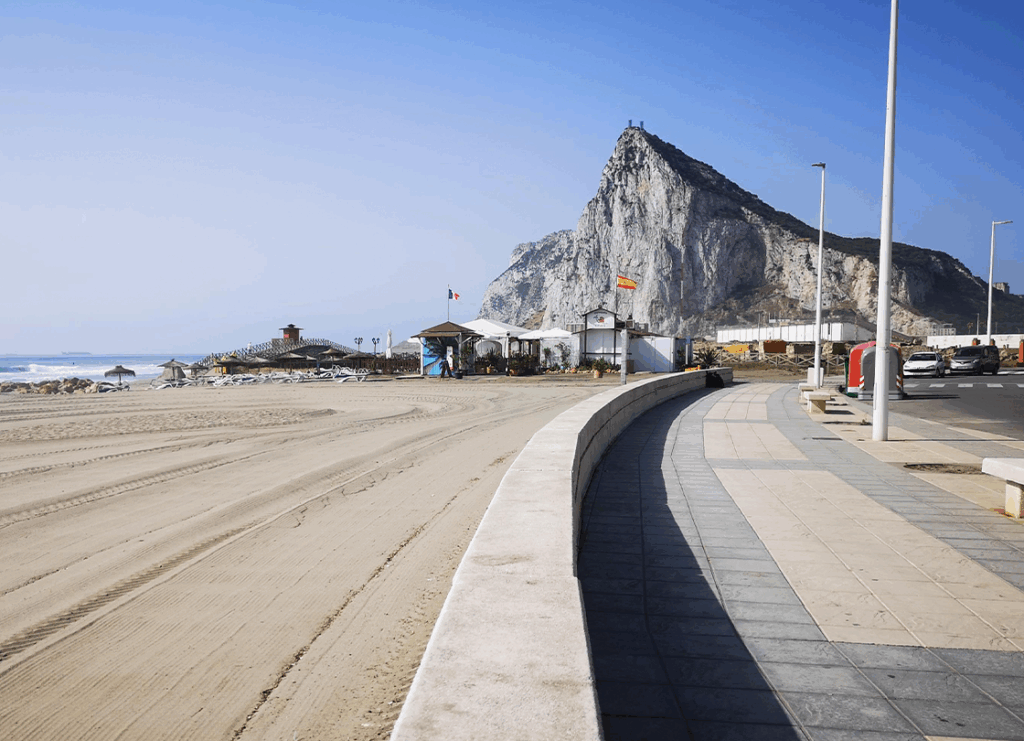
Create new momentum
The existence of a border often creates imbalances that fuel tensions. While we must certainly strive to address these issues, we will only achieve limited solutions unless we radically change the situation through projects with a genuine vision for the future.
Economically, there is a stark contrast between Gibraltar and its neighbor. With an area of 6.8square kilometers anda strategic geographical location, Gibraltar is characterized by a favorable tax system and a 100% service-based economy, which ensure its prosperity through three key sectors: the port, tourism, and financial services. Per capita GDP is very high: €86,000 (equivalent to that of Switzerland). It also has some weaknesses. The population density (5,600 peopleper km²!)andlimited space hinder its development and make land prices unaffordable.
Across the border, La Línea de la Concepción (population 65,000, covering an area of 19.2km²) is one of the poorest cities in Andalusia (itself the poorest region in Spain, with an annual GDP per capita of €23,000). The unemployment rate is 30%, yet Gibraltar relies heavily on it for its workforce, as the 15,000 cross-border workers from there fill nearly half of the jobs. Add to this a gray economy: tobacco smuggling and, more recently, trafficking of hashish from Morocco and cocaine from Latin America.
The differences are therefore enormous, and only through an ambitious project capable of completely changing the game will we be able to overcome them. That is the purpose of the4thIndustrial Revolution Technology Hub.
July 15, 2026: With the free movement of people now in effect, a new phase begins
Effective July 15, 2026, pursuant to the agreement reached the day before between the two countries to mitigate the practical difficulties—for Gibraltar and the neighboring Spanish region—resulting from the United Kingdom’s withdrawal from the European Union, border controls were eliminated, establishing effective free movement between Spain and Gibraltar.
Spanish Prime Minister Pedro Sánchez, who was present at this historic event, said: “Today marks the beginning of a new era of shared prosperity between two peoples who, in reality, have never turned their backs on one another.”
This marks the beginning of a new phase of negotiations aimed at establishing, on the vast tracts of land previously designated for customs inspections (la verja) between Gibraltar and La Línea de la Concepción, a llg4ir.com technology center dedicated to post-quantum semiconductors and satellite technologies. A meeting is scheduled for fall 2026 in Madrid with the relevant authorities to finalize the work plan and the next steps for the project.
While the project is progressing very well, it remains, of course, highly political and requires close coordination among the various authorities. However, it is beginning to take shape in the second half of 2026,
There is no doubt that it could become a prime example of European cross-border cooperation, demonstrating how two regions with sometimes divergent systems and interests can nevertheless work together toward a shared, resolutely forward-looking technological vision.