In 2019, drivers in Rome spent an average of 166 hours stuck in traffic jams. In Paris, the figure was 165 hours, in Dublin 154 hours, and in Athens 107 hours. Areportpublished in 2016 by the Swiss government showed that traffic jams cost the country 1.6 billion francs annually in lost time, wasted fuel, environmental damage, and accidents.
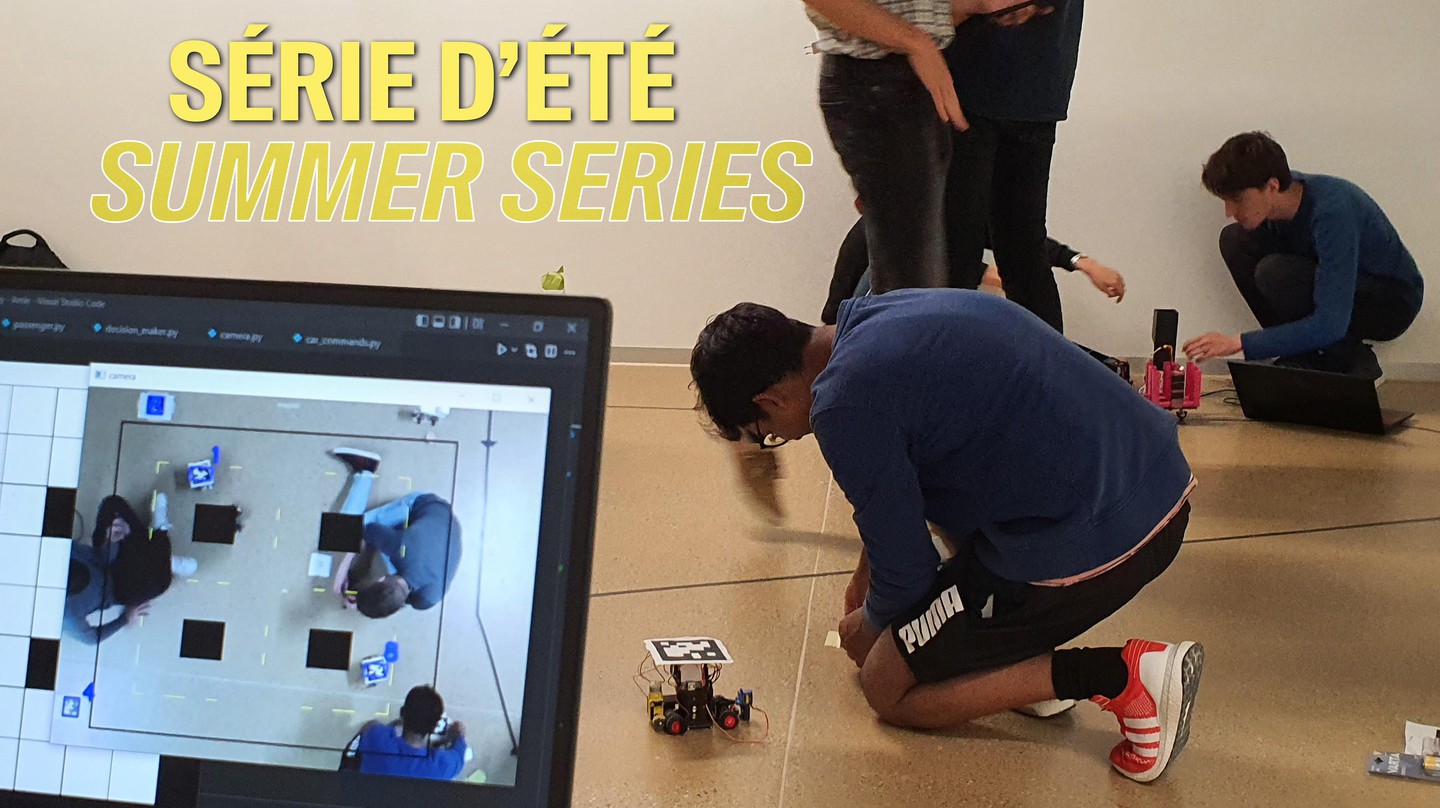
This year, as part of the“Making Intelligent Things” course, a group of undergraduate students from EPFL’sSchool of Computer Science and Communications(IC) carried out a project aimed atmaking traffic smarter (“Making Intelligent Traffic”). They applied various centralized traffic algorithms to groups of 3D-printed Arduino cars in an attempt to coordinate traffic flow, while allowing users to monitor the road network and the cars’ positions so they could avoid traffic jams.
“We wanted to create a traffic simulation system that is more efficient than anything currently available worldwide. “We had a lot of ideas, but in the end, what we built is a prototype in which cars do not communicate directly with each other and cannot determine their own location; instead, a camera films the area in question, and a central computer determines the cars’ locations and sends that information back to the cars,” explains Anirudhh Ramesh, a sophomore.
A small-scale demonstration
The team developed a road network featuring intersections and streets with several different simulation modes. In one mode, the cars had to try to reach a randomly generated destination; in another, the cars had to pick up passengers as if they were operating a taxi service. The vehicles are equipped with small barcodes that the camera detects so it can track them. The software developed by the students predicted the cars’ paths and gave them instructions to steer in the right direction.
Currently, autonomous vehicle projects are specifically designed to enable these vehicles to drive smoothly, avoid dangerous situations, and stay on the road. These cars are not interconnected within a vast network and do not communicate with one another. “This pilot project demonstrated that, on a small scale, centralized traffic algorithms were capable of making coordinated decisions about which routes the cars should take. It’s wonderful that these undergraduate students pooled all their ideas and managed to bring them to fruition in such a short time,” says Professor Christoph Koch, who teaches the course.
“Our main goal was to save people time and make traffic safer by improving travel efficiency. By creating a more efficient system, we also hoped to achieve energy and fuel savings, thereby making car travel more sustainable in various ways,” explains Anirudh Ramesh.
A real challenge!
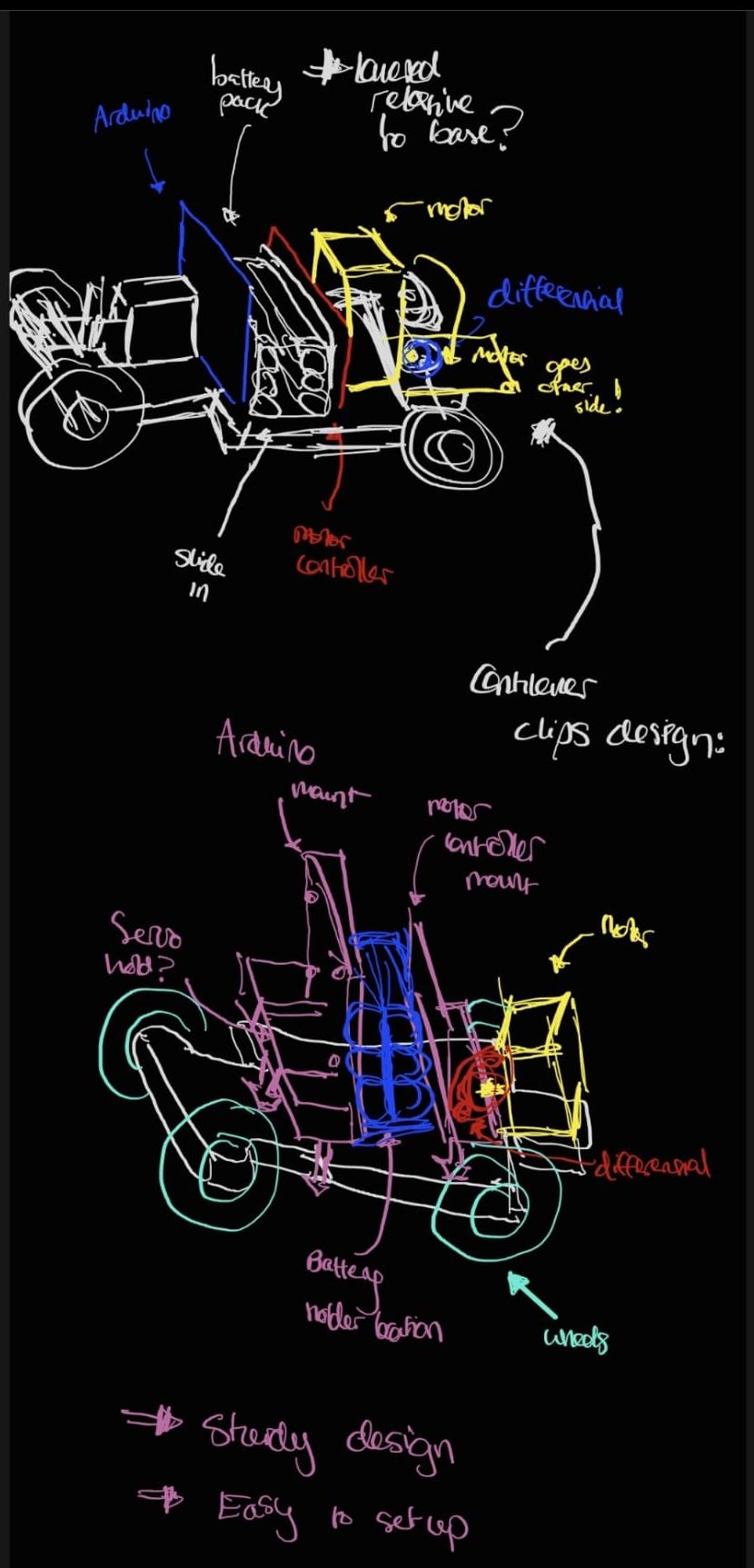
But the project ran into a few snags. “Everything that could go wrong actually gave us a hard time! Finding a good design for the cars and the IT management system, getting the camera to detect all the cars and establish a Bluetooth connection… there were many challenges to overcome to make the project work. In fact, I think that, paradoxically, computer vision was the easiest part to implement,” adds Louis Dumas, a third-year bachelor’s student.
What will become of this simulation project, which is as powerful as it is successful? “It’s open-source, and it would of course be wonderful to see it evolve, perhaps thanks to future students in this course,” says Louis Dumas. “We’ve laid an extremely solid foundation for hardware-based traffic simulations, and in doing so, we’ve gained a wealth of valuable skills. In the future, we might be able to benefit from a satellite-based system, and automakers could use our software in their vehicles! But there’s still a long way to go,” concludes Anirudhh Ramesh.